Southern Africa · Where the Desert Meets the Ocean

Namibia

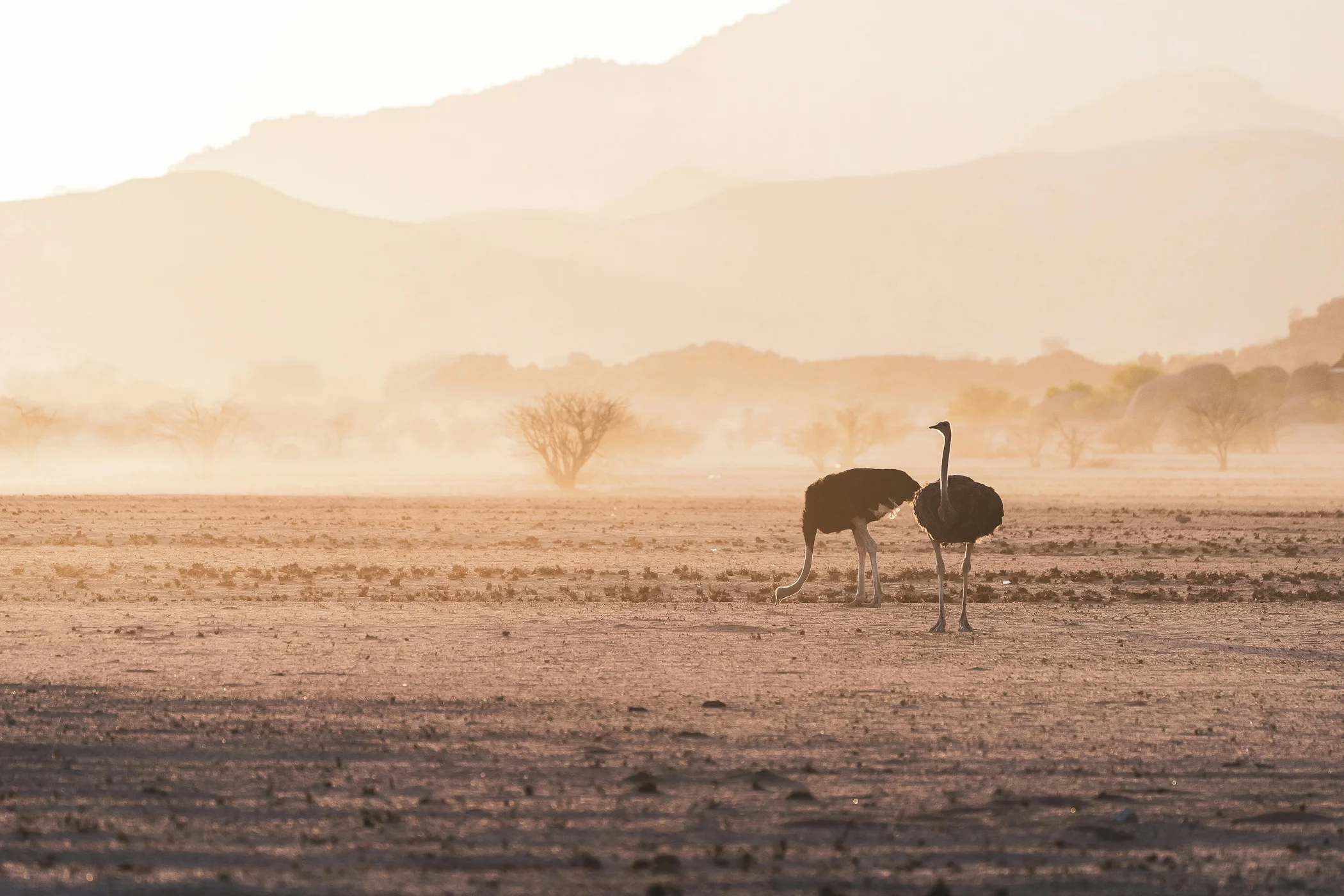
You don’t expect this much silence. Namibia unfolds before you like something unfinished, mineral, almost unreal. And yet life is there, discreet, tenacious, extraordinary. You have to learn to look for it in a different way. It was here that I understood what it meant to be a guide. The country that started it all. The one where I now take travelers on private safaris.

01

Etosha

Etosha is the safari in its purest form. No dense forest, no half-measures. The semi-desert savanna stretches out before you, the light is blinding, and the animals come right up to you.

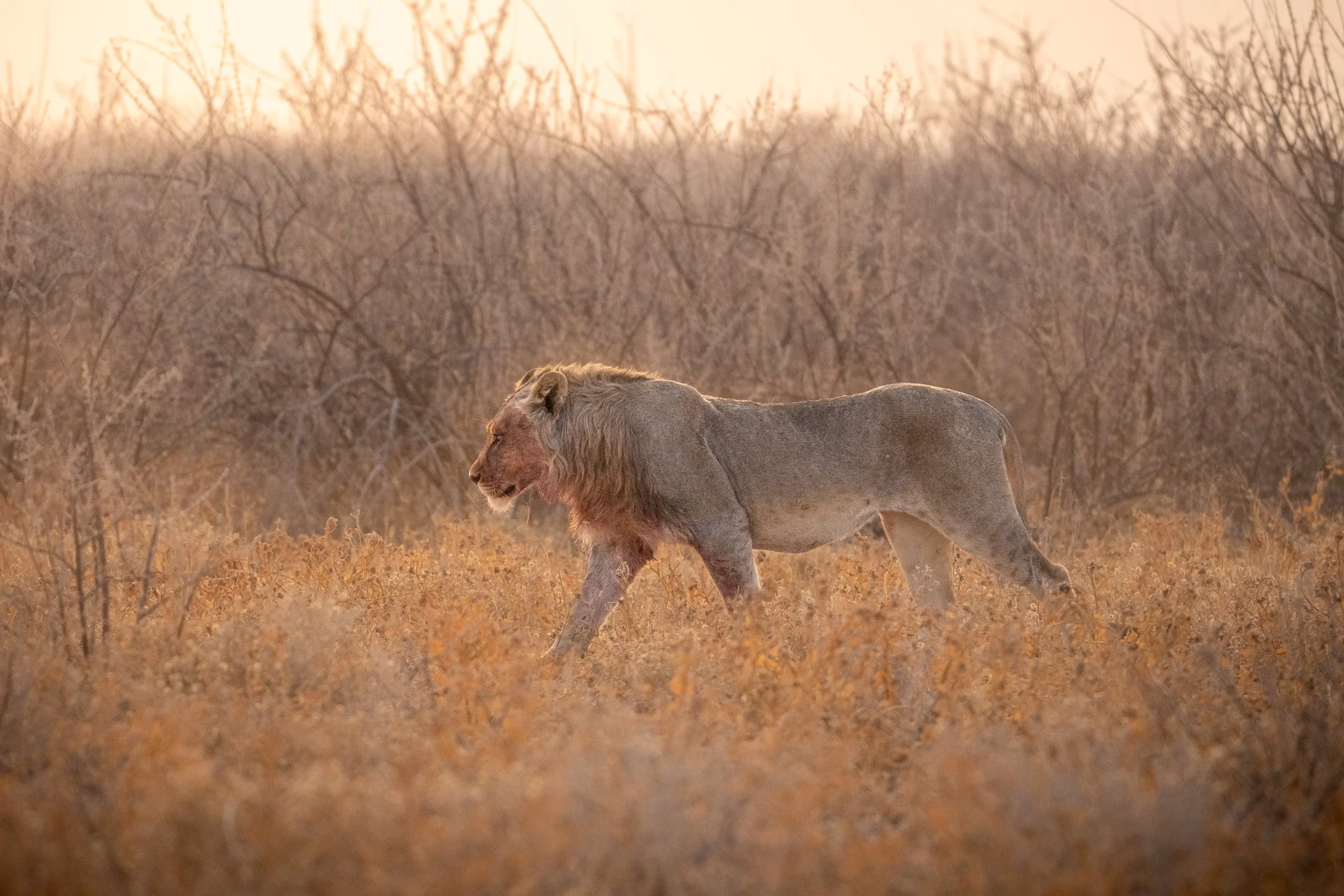
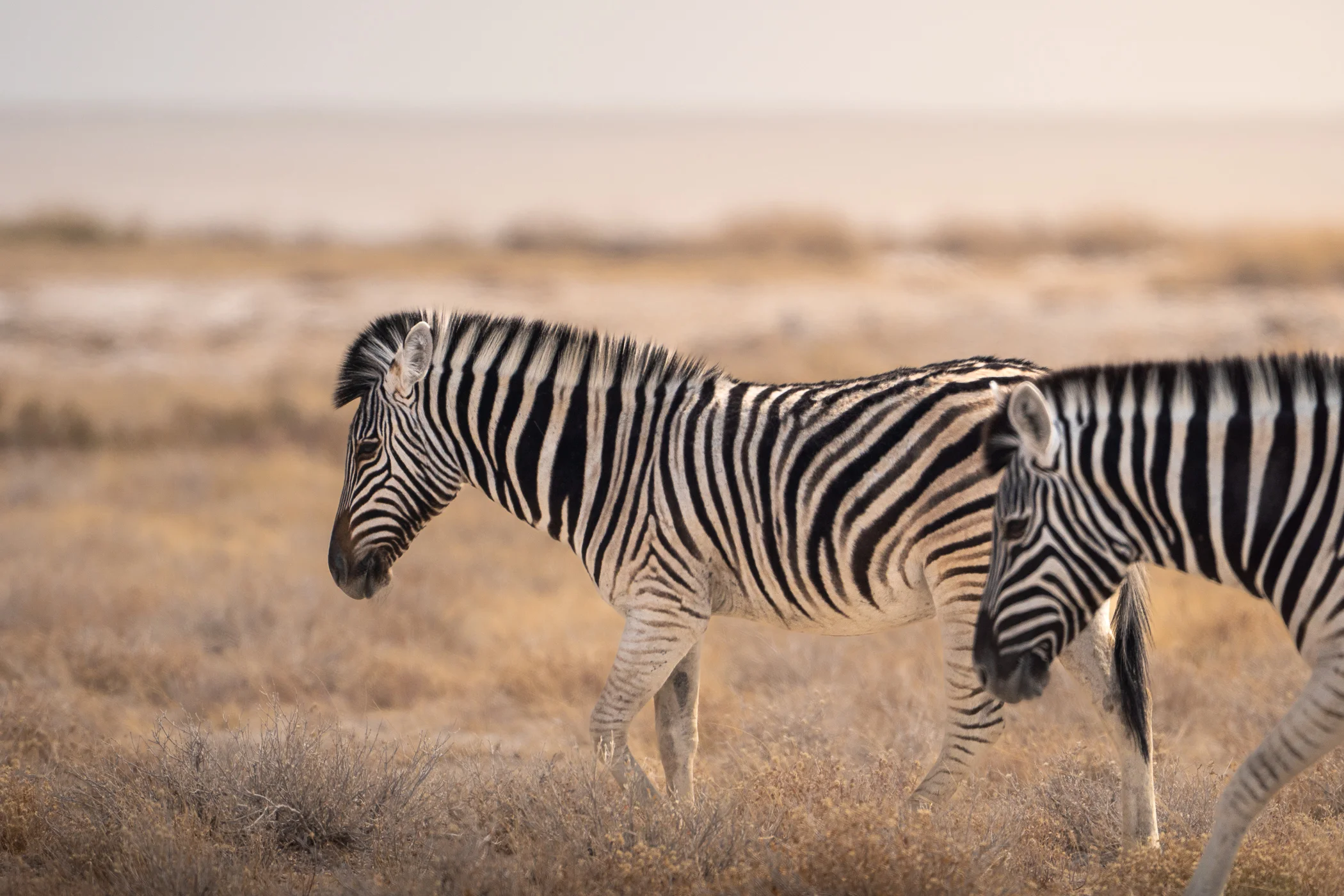
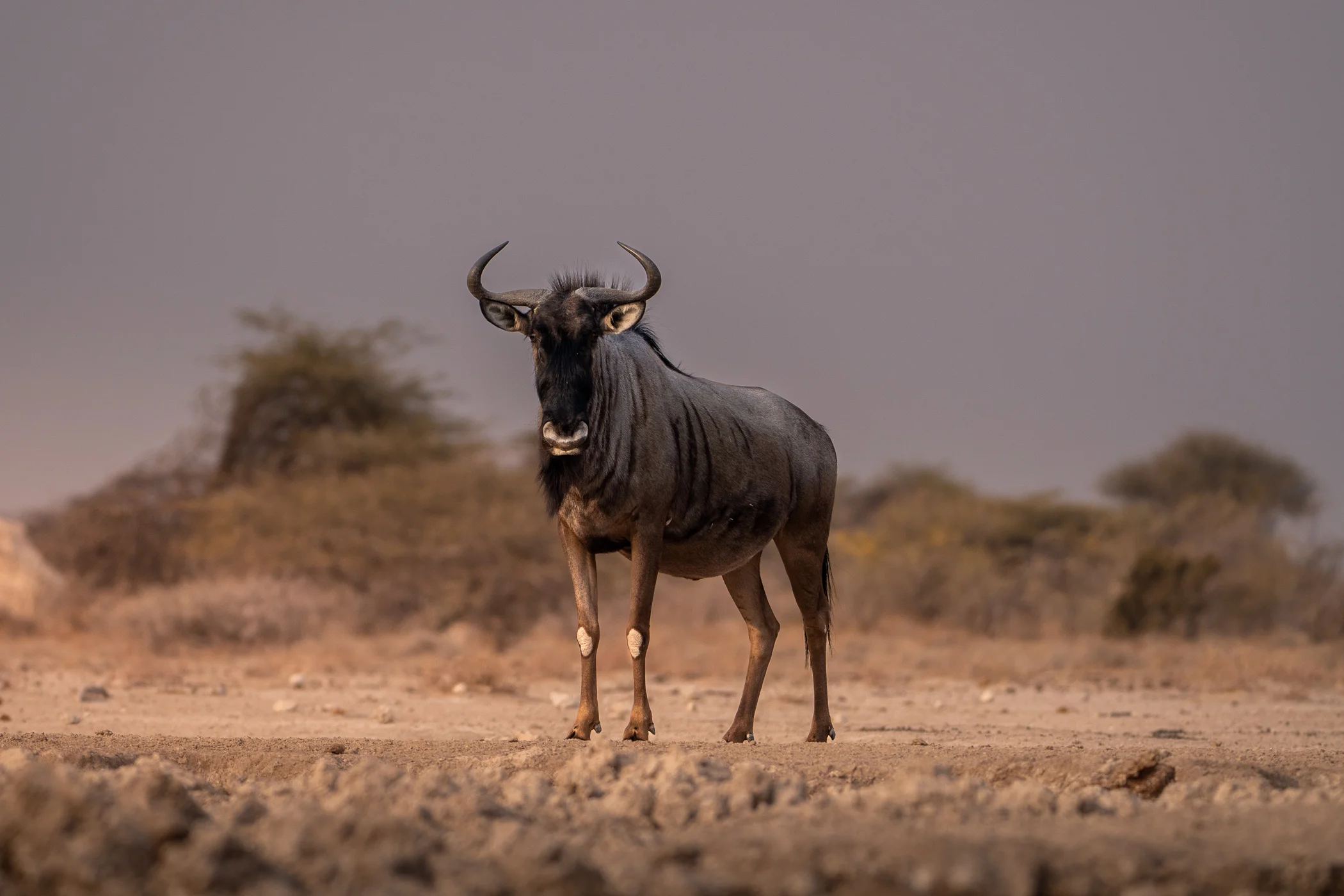
Spanning over 22,000 square kilometers, Etosha National Park is centered around a vast white salt pan visible from space. During the dry season, watering holes attract rare wildlife: elephants, black rhinos, lions, leopards, cheetahs, giraffes, and zebras. During the rainy season, the salt pan transforms: thousands of flamingos, migratory birds, and newborns. A park where the light and landscapes are just as captivating as the wildlife.

Etosha is ideal for self-drive tours, and that’s often how I recommend it: I plan the itinerary, the campsites and lodges, and the best watering holes depending on the season. I can also accompany you on the ground, driving and providing live commentary on what we observe. For certain trips, combining the park with an adjacent private reserve radically changes the experience: night game drives, walking safaris, and areas with no other vehicles.

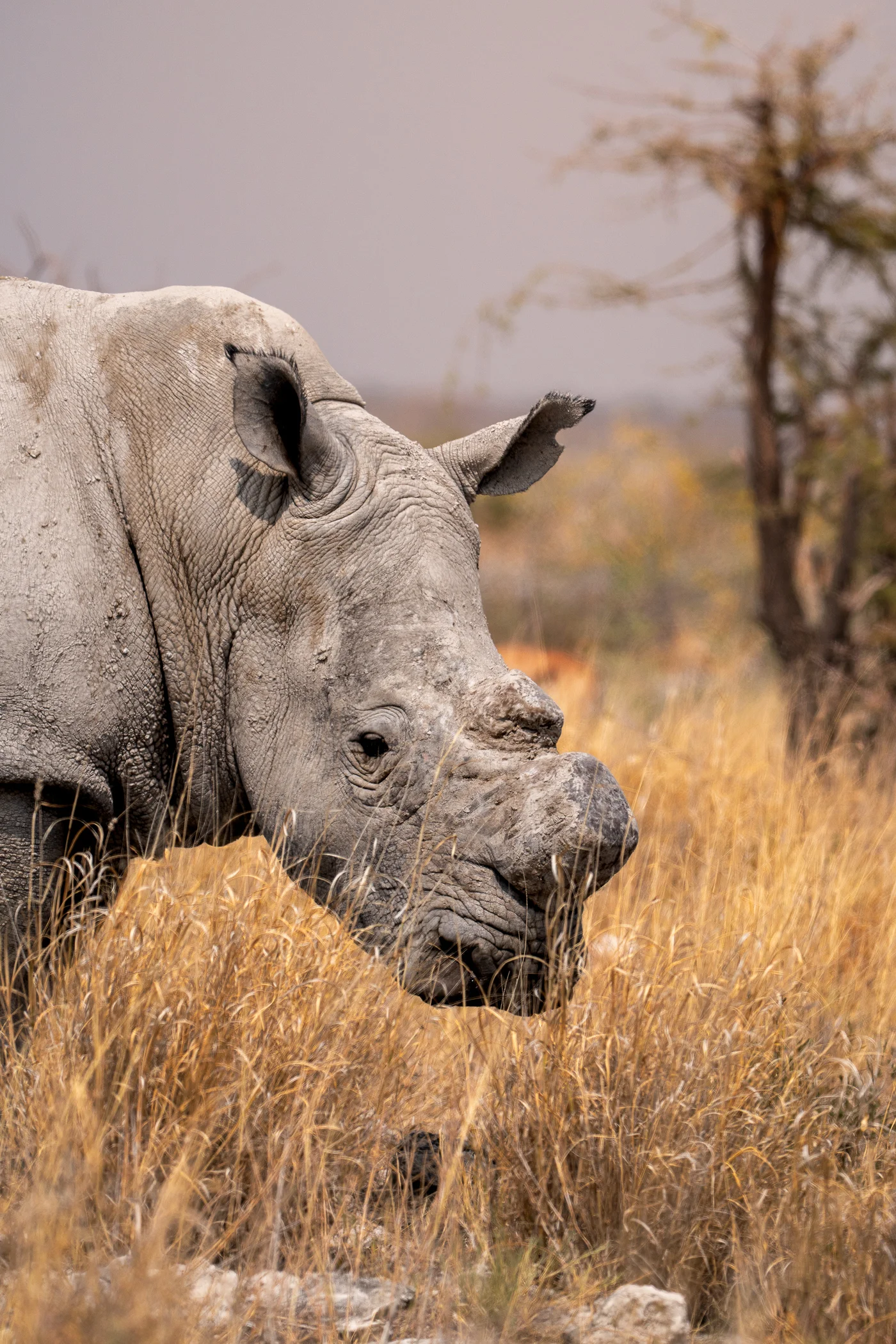
black rhinoceros
lion
cheetah
photo hide
night safari

02

Damaraland

Damaraland isn’t a traditional safari destination. It’s a place that forces you to look differently, further, and more slowly.

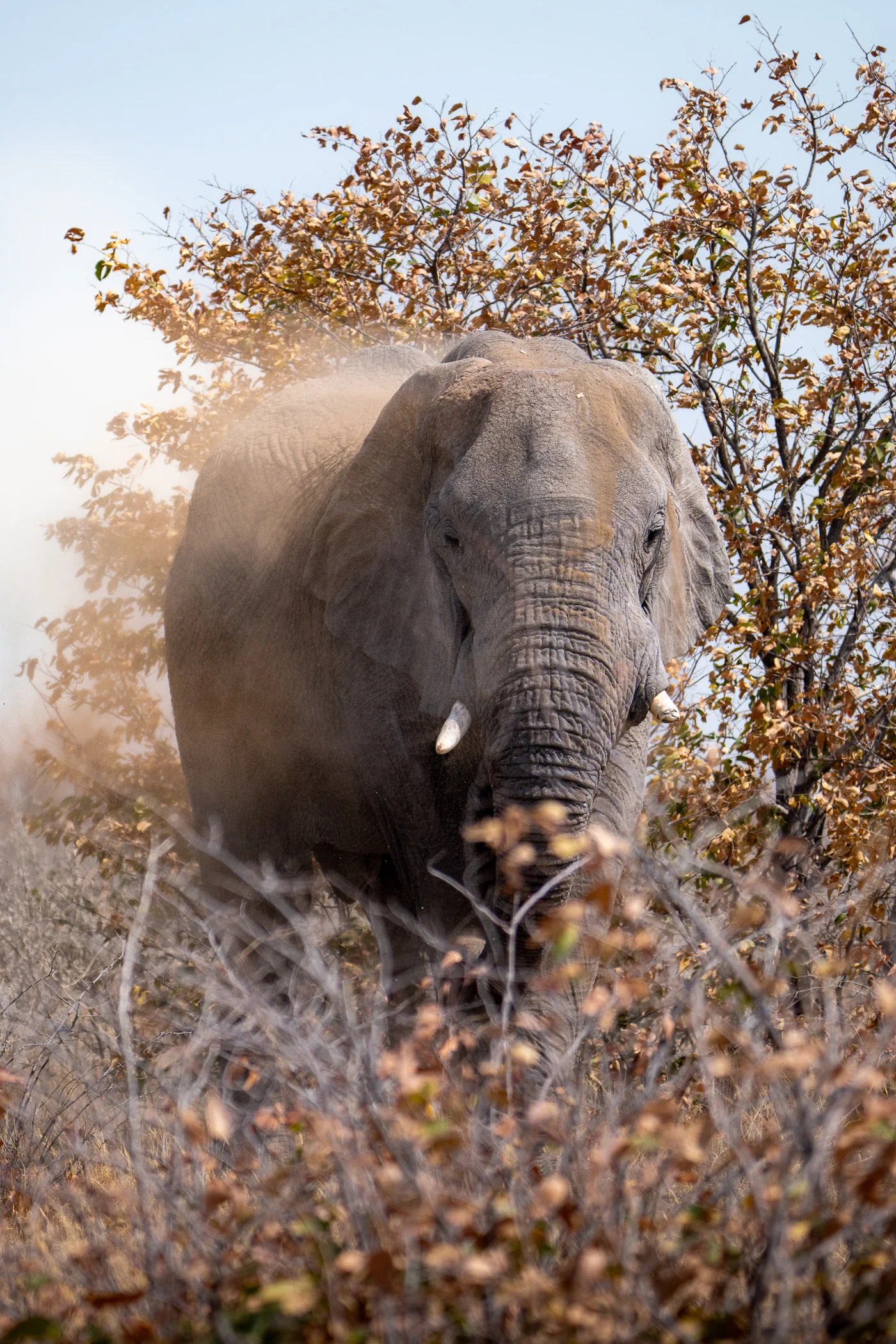
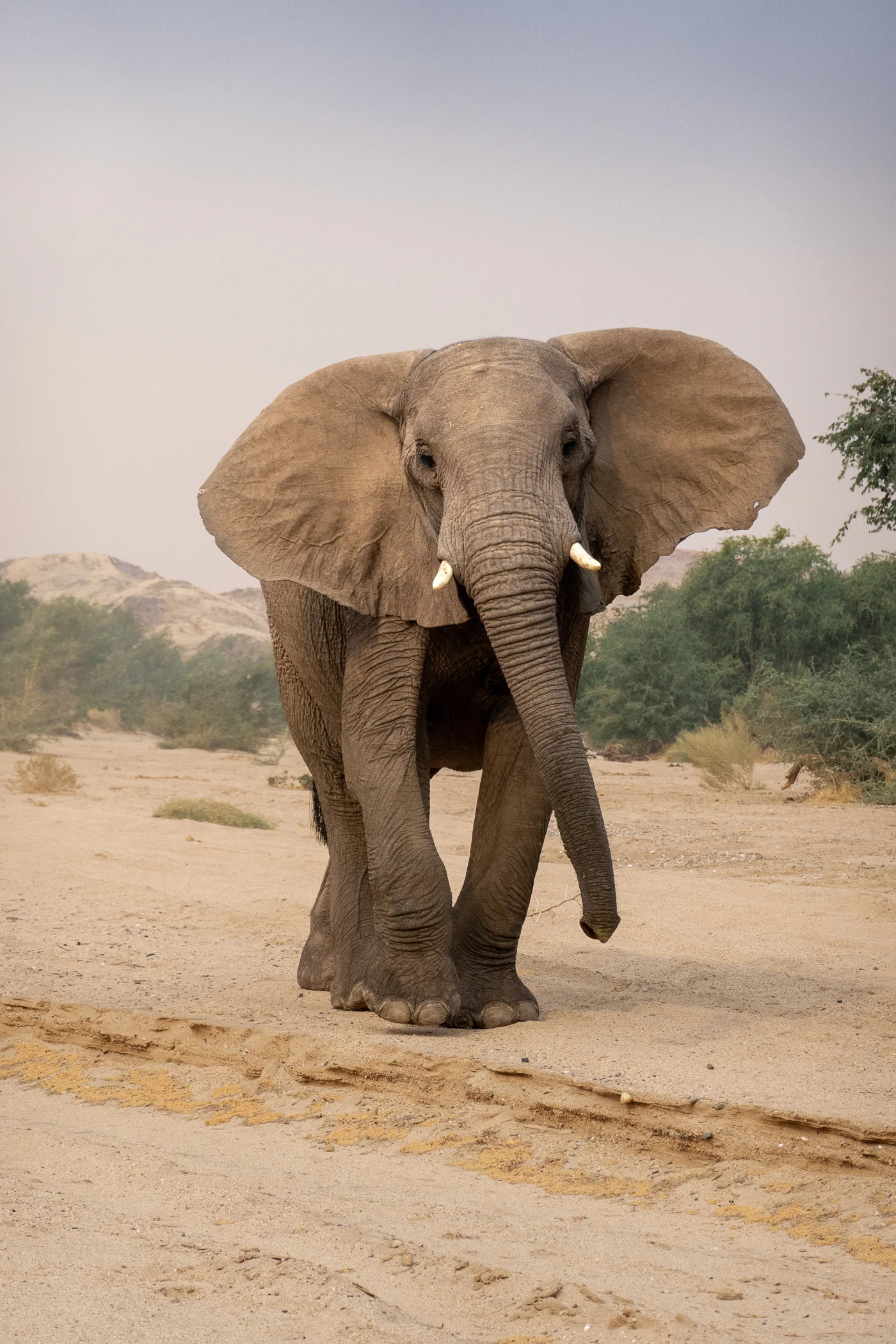
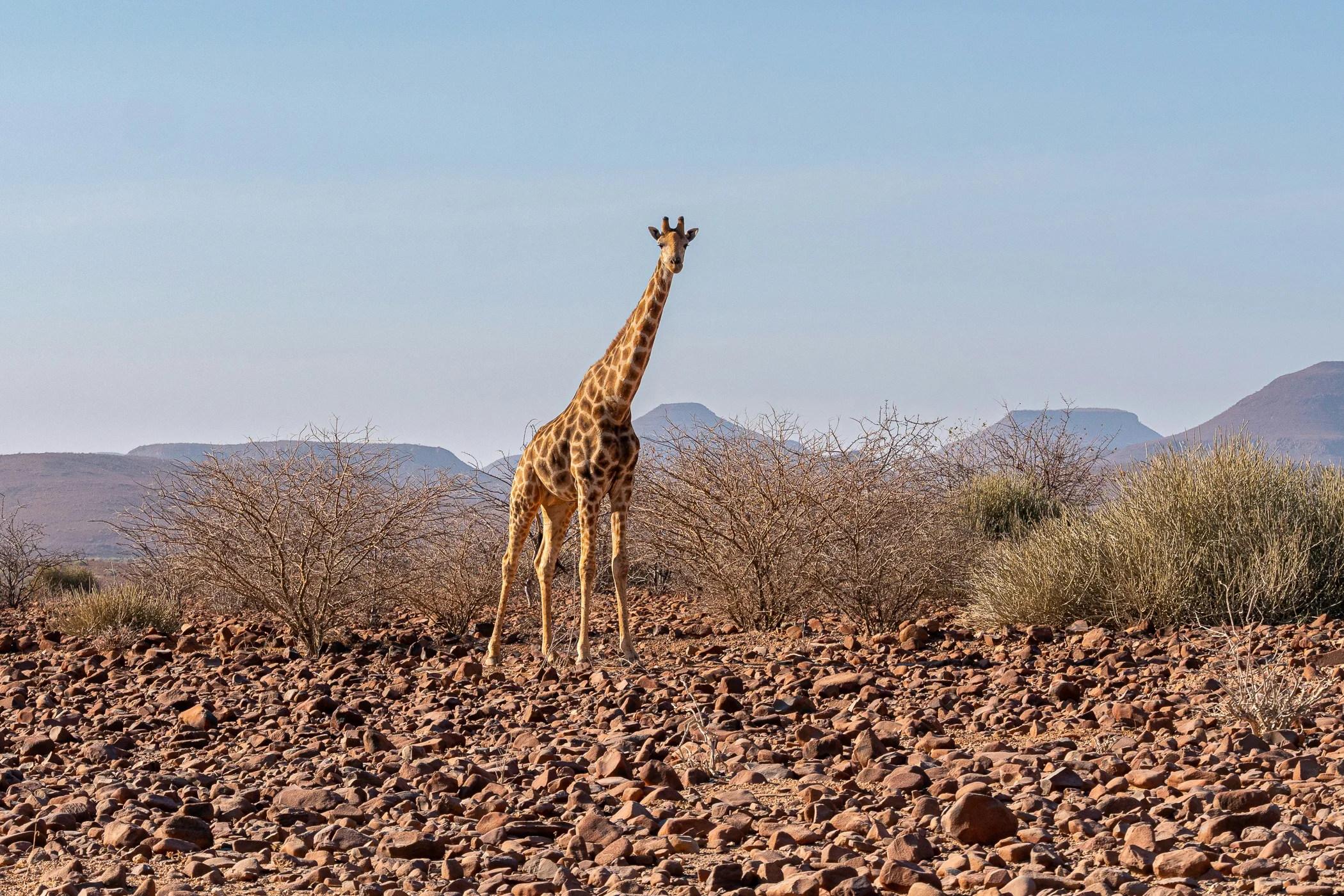
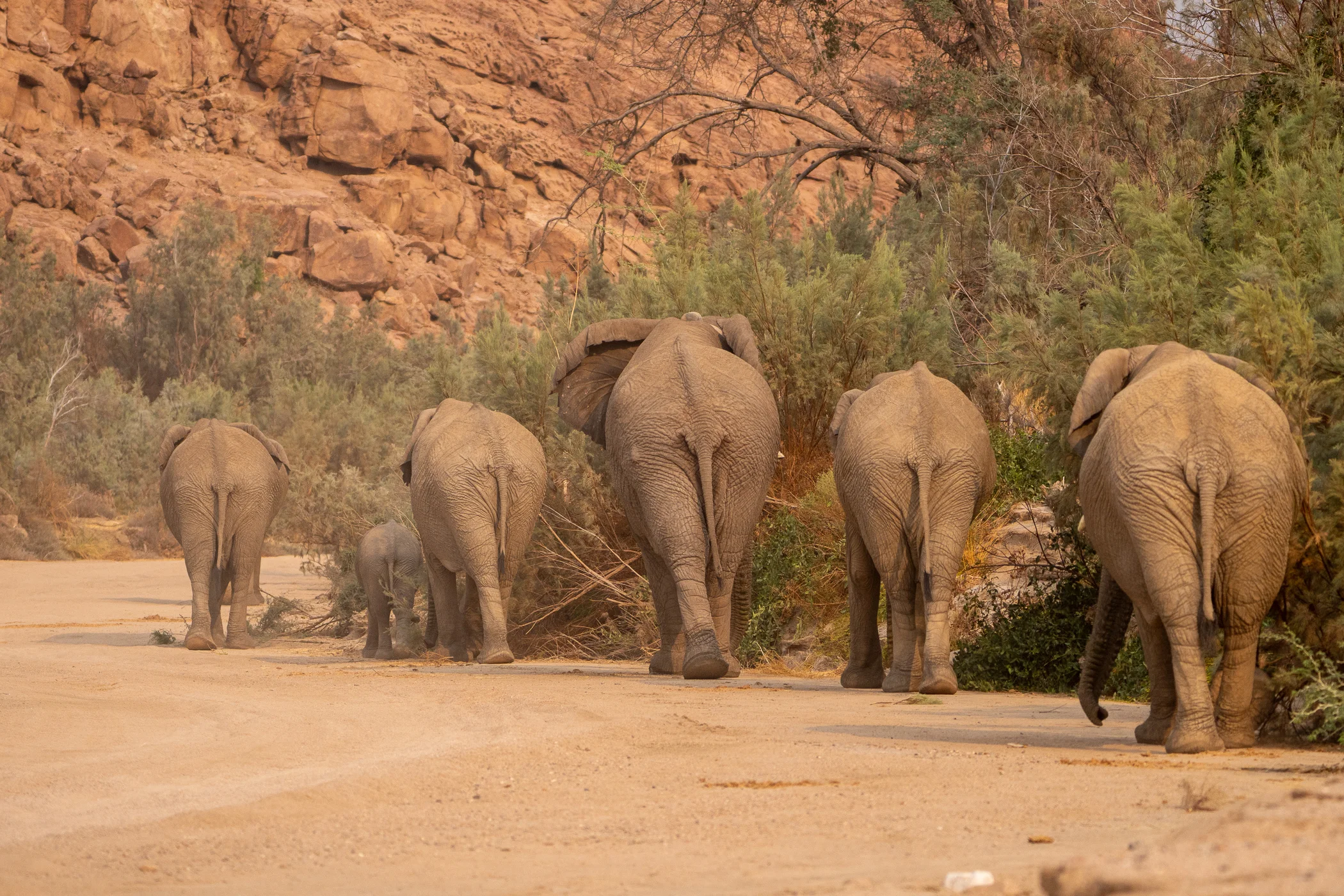
A safari in Damaraland is one of Namibia's most singular experiences, and one of the least visited by travelers. It is here that desert elephants, black rhinos and Hartmann's mountain zebras survive, having adapted to conditions that few other species can tolerate. The region is also home to the Twyfelfontein rock art site, a UNESCO World Heritage Site

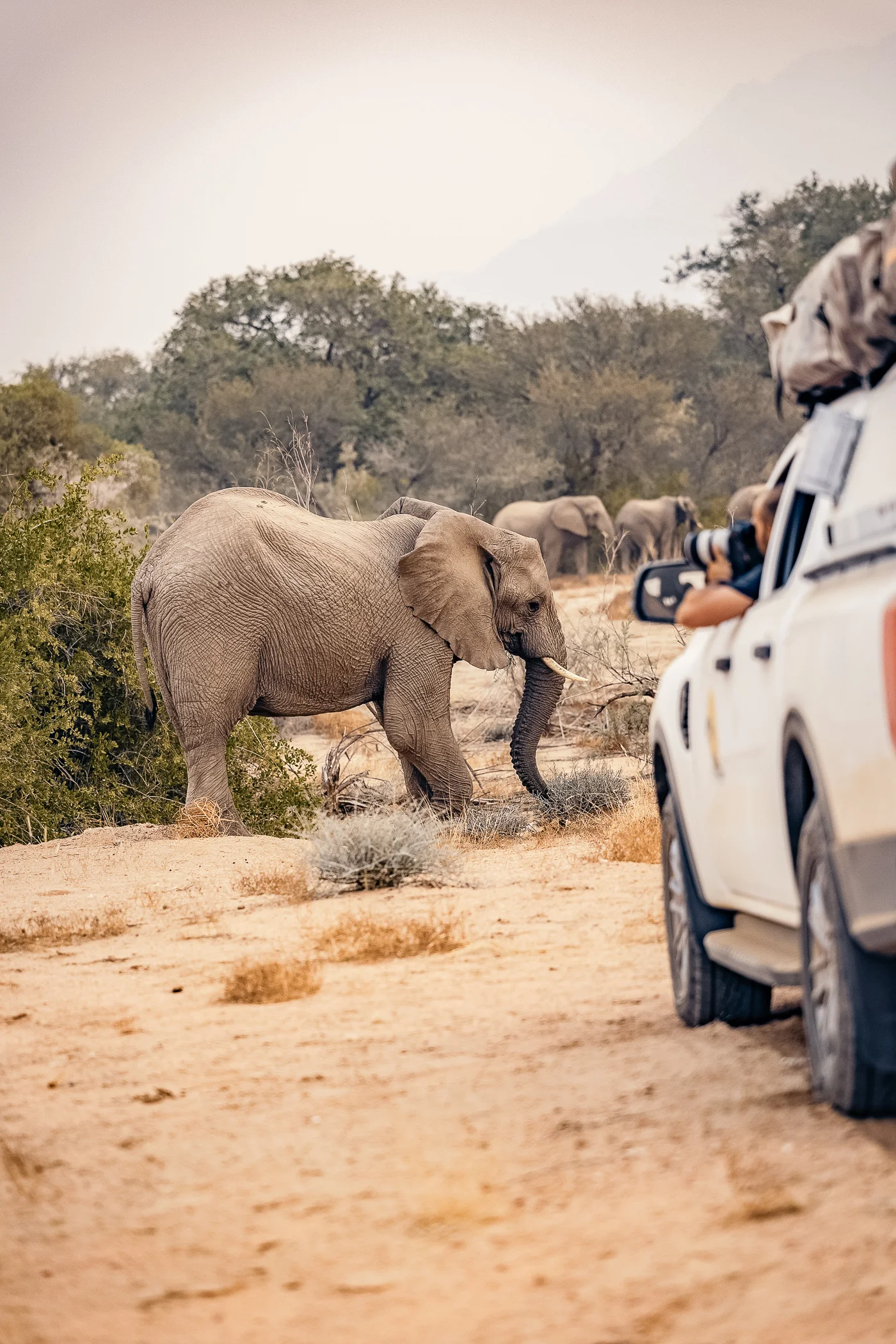
I lead private safaris in Damaraland, moving at the pace of the terrain, in the Palmwag and Brandberg regions. I work with local operators based in these areas, who provide access to little-known areas where we can track desert elephants far from the usual tourist routes. Damaraland is a destination that must be earned.

desert elephant
black rhinoceros
oryx
astronomy
Himba tribe

03

Caprivi

The Caprivi Strip is a side of Namibia that no one would imagine. Green, lush, and crisscrossed by rivers. The exact opposite of the desert at the other end of the country.

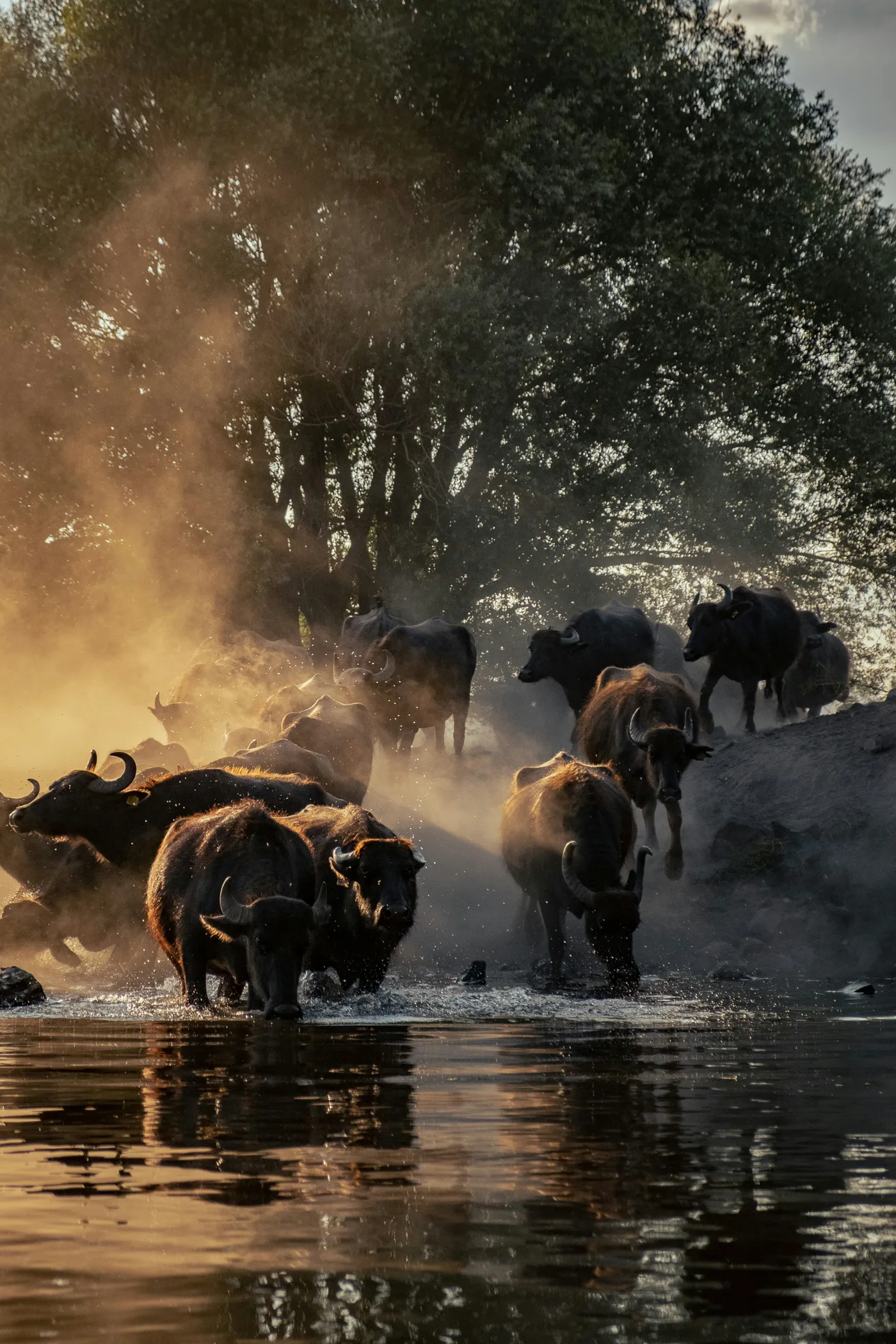
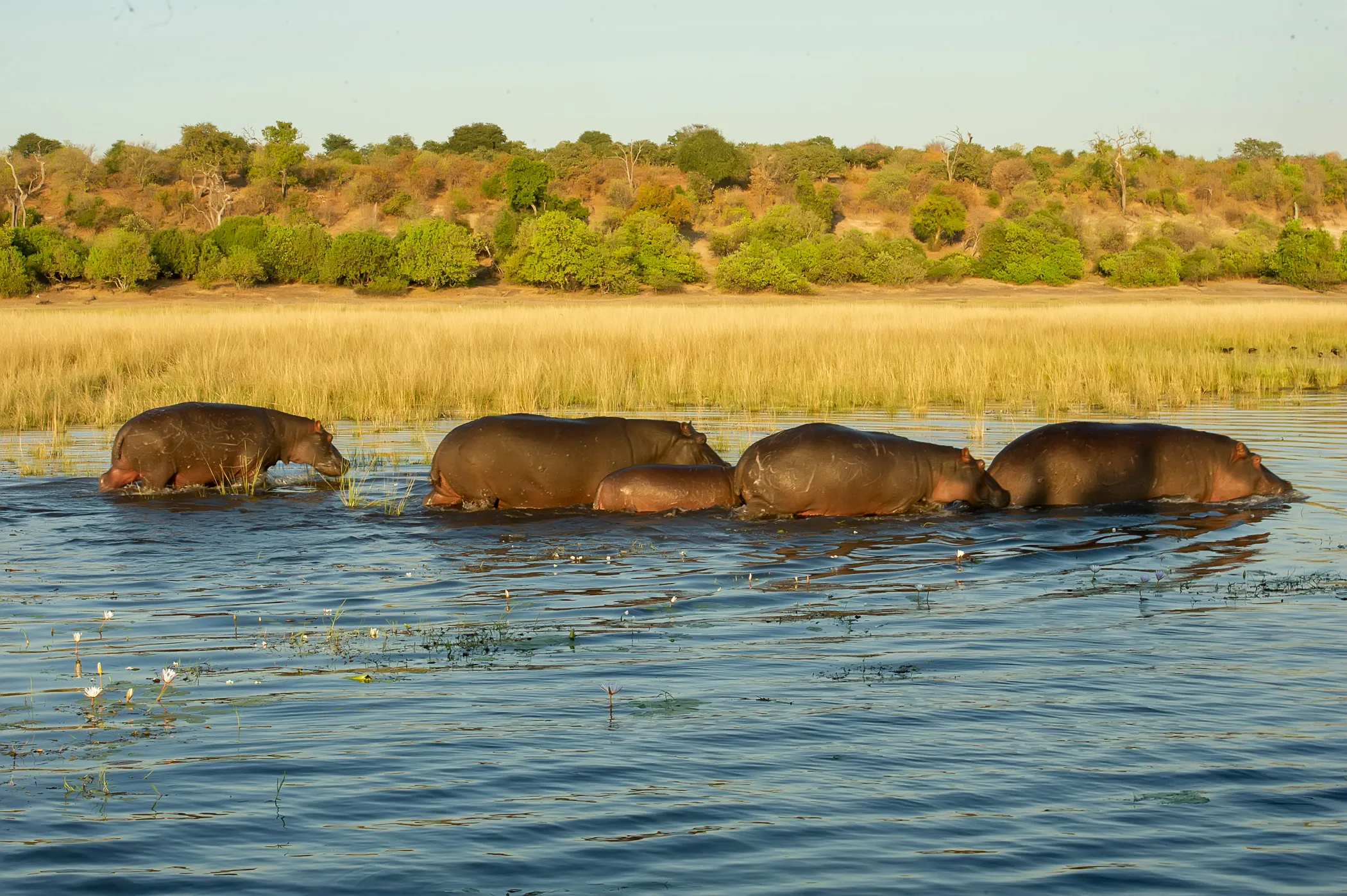
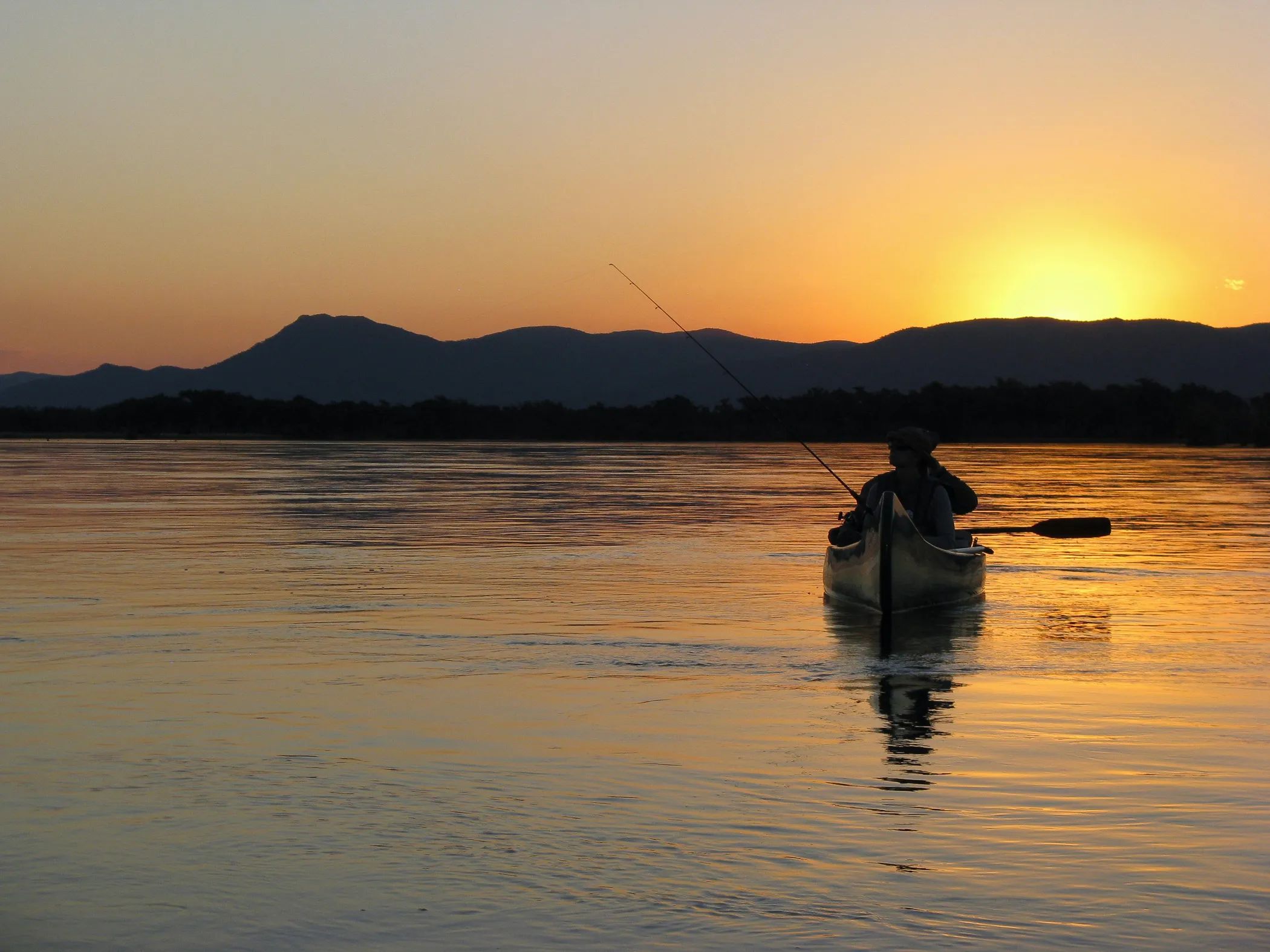
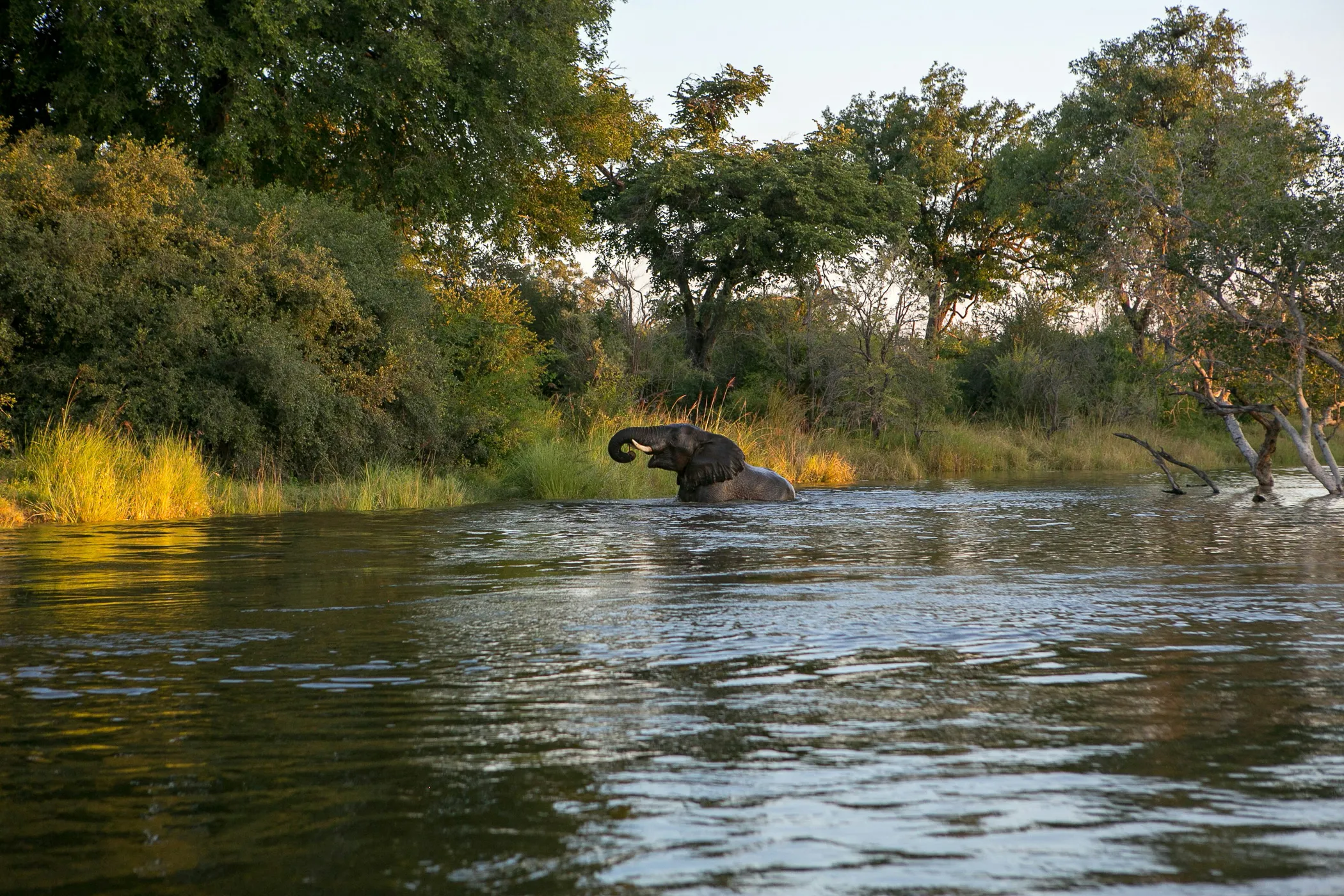
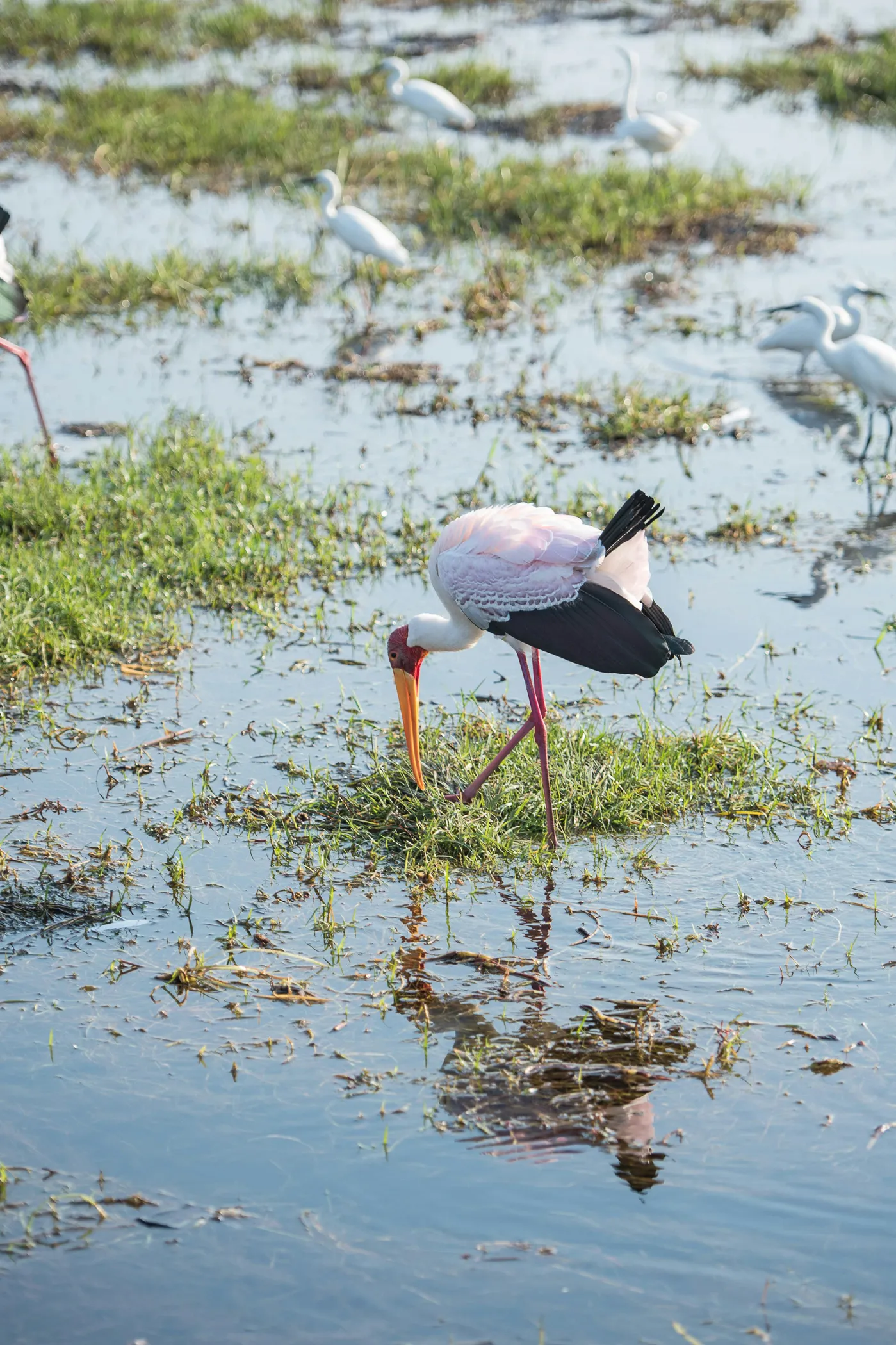
The Caprivi is a strip of land wedged between Angola and Botswana, crossed by four rivers, including the Kavango. This green corridor stands in stark contrast to the rest of Namibia: here, water is everywhere, the vegetation is dense, and the air is humid. It’s a far cry from the barren desert of Etosha or Damaraland. The biodiversity is exceptional for a safari in Namibia: elephants, buffalo, hippos, lions, leopards, and even wild dogs for the lucky few. Over 400 bird species have been recorded. The safari experience here includes game drives in Bwabwata Park and river cruises at sunrise or sunset.

I recommend the Caprivi Strip as a stopover between Namibia’s national parks and Victoria Falls. A few days are enough to get a taste of the atmosphere of the Botswana Delta without leaving Namibia. I design itineraries featuring off-the-beaten-path spots in Bwabwata, far from the standard lodges. This is a side of Namibia that few guides truly know.

elephant
wild dog
buffalo
boat safari
birdwatching

Practical Information

Plan Your Trip

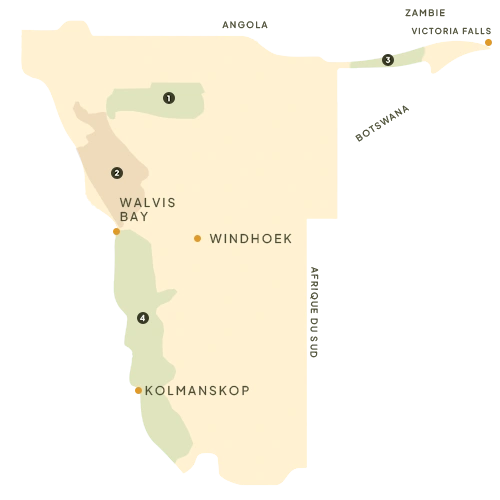
  1. Etosha National Park
  2. Damaraland (Palmwag, Brandberg)
  3. Caprivi Strip (Bwabwata, Kwando)
  4. Namib-Naukluft National Park (Sossusvlei, Deadvlei)

WINDHOEK – ETOSHA: 4.5-hour drive

ETOSHA – CAPRIVI: 5-hour drive

WINDHOEK – KOLMANSKOP: 7-hour drive

WINDHOEK – WALVIS BAY: 4.5-hour drive

estimated budget

À partir de 4000€

per person · based on an 10-day road trip *

On the road – 4x4 with a rooftop tent

In Namibia, a road trip in a 4x4 with a rooftop tent is the obvious choice. The distances are long, the regions are very different from one another, and it’s on the road that the country truly reveals itself. Depending on the itinerary, you’ll spend the nights camping in your rooftop tent or staying at a lodge.

* Vols internationaux non inclus. Chaque itinéraire est construit sur mesure selon vos besoins et la saisonnalité. L’accompagnement guide francophone est en complément du prix affiché.

Plan your safari

When should I come?

In Namibia, the dry season runs from May to October. This is when wildlife converges on waterholes and Etosha becomes like an open-air map. But the country doesn’t come to a standstill when the rains arrive. From November to April, the desert turns green, migratory birds arrive, and in Caprivi, it’s calving season. Each region has its own character. Choose yours.

Etosha · Wildlife viewing

J
F
M
A
M
J
J
A
S
O
N
D

Damaraland · Desert Elephants & Rhinos

J
F
M
A
M
J
J
A
S
O
N
D

Caprivi (Bwabwata & Kwando) · Wildlife & Birds

J
F
M
A
M
J
J
A
S
O
N
D
Perfect for a safari
Mid-season
Off-season
living room extension

For further reading

Skeleton Coast

A coastline as hostile as it is fascinating, where desert dunes plunge straight into the Atlantic and shipwrecks tell the story of lost sailors.

Kolmanskop

A former German town, now a ghost town swallowed up by the sand just a few kilometers from Lüderitz. One of Namibia’s most photographed sites and one of its strangest.

Sossuvlei

The world’s tallest dunes, in the planet’s oldest desert. The light changes by the minute. Best seen at sunrise to truly experience it.

& now,

let's chat about your safari.

My other destinations

Alerte expédition 2027 !

À la découverte du royaume des géants

Partez l’année prochaine au Kenya pour une expérience hors des sentiers battus en petit groupe exclusif et privé !