People come to Tanzania for the wildlife migration. They leave with something else: the realization that they've only scratched the surface of this country, its wildlife, its cultures, its landscapes. Tanzania can't be summed up in a few words. It's an experience that builds upon itself. That's why I chose it. As a certified safari guide, I design each trip to exceed what people came here for.
01
The Serengeti is Africa as we imagine it before we’ve ever been there. And yet, even after we’ve been there, it still exceeds our wildest expectations.
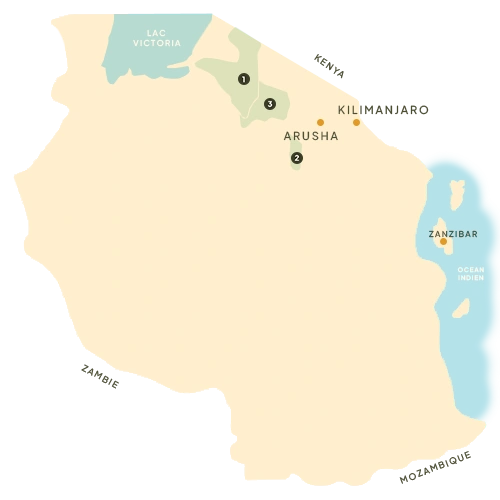
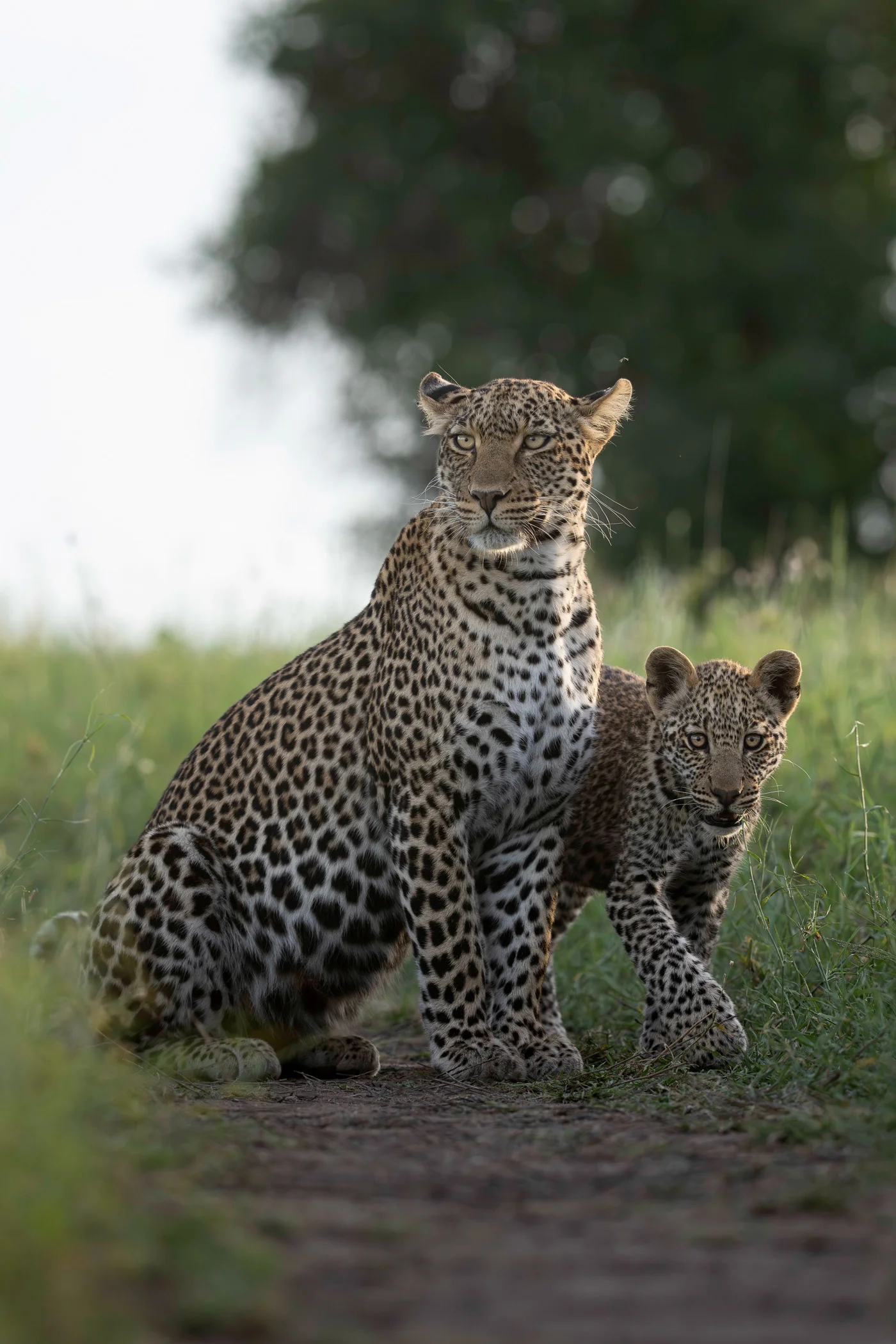
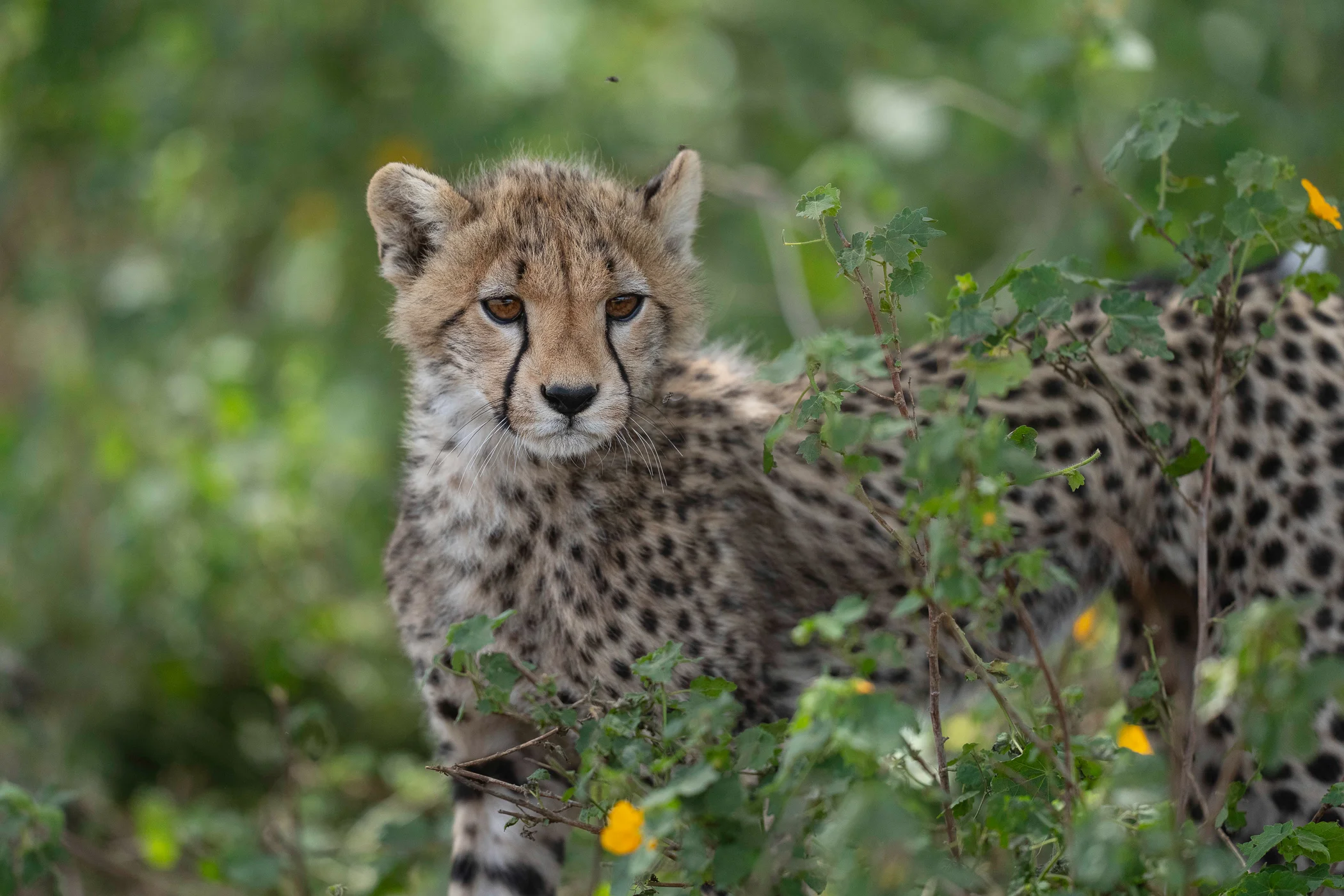
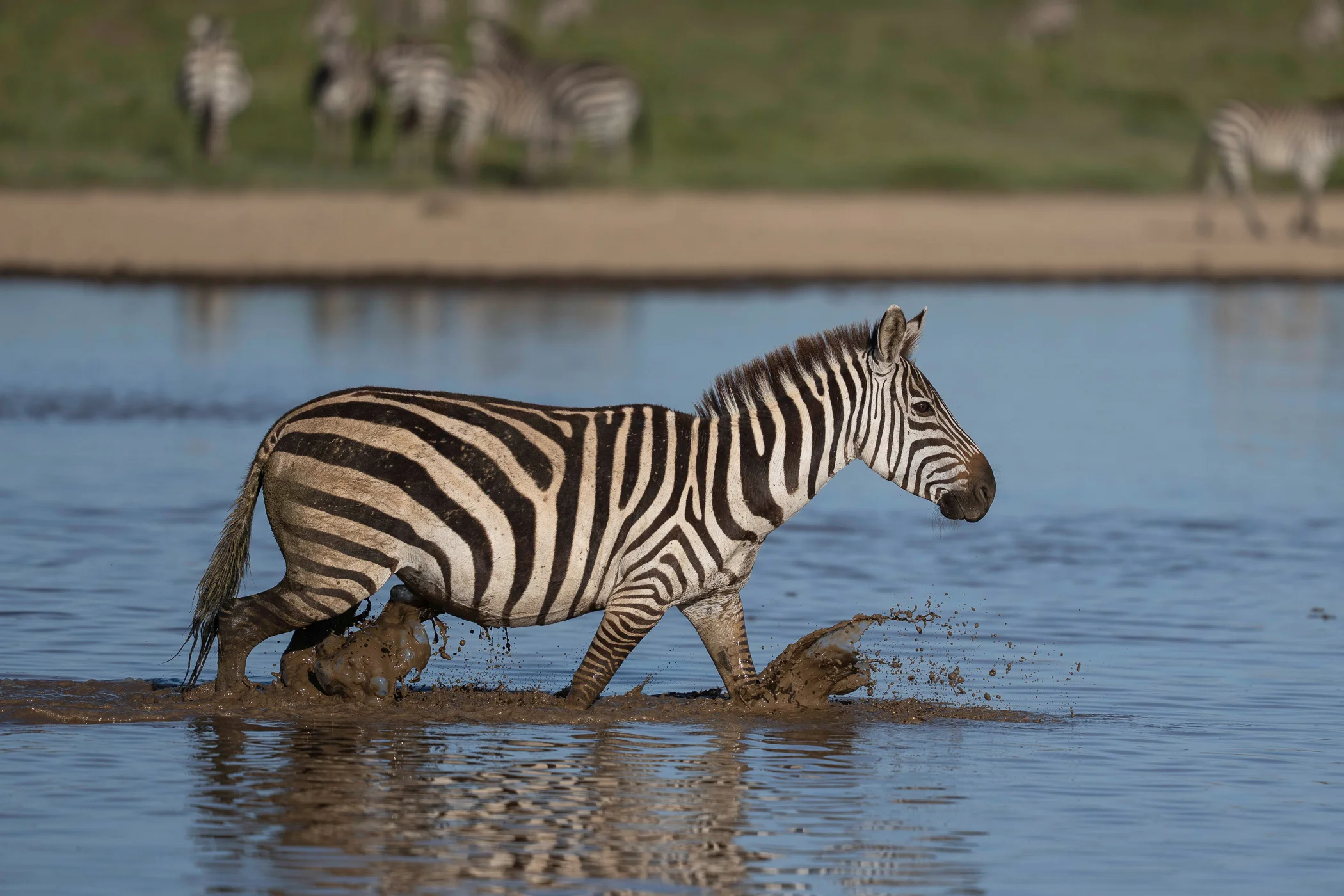
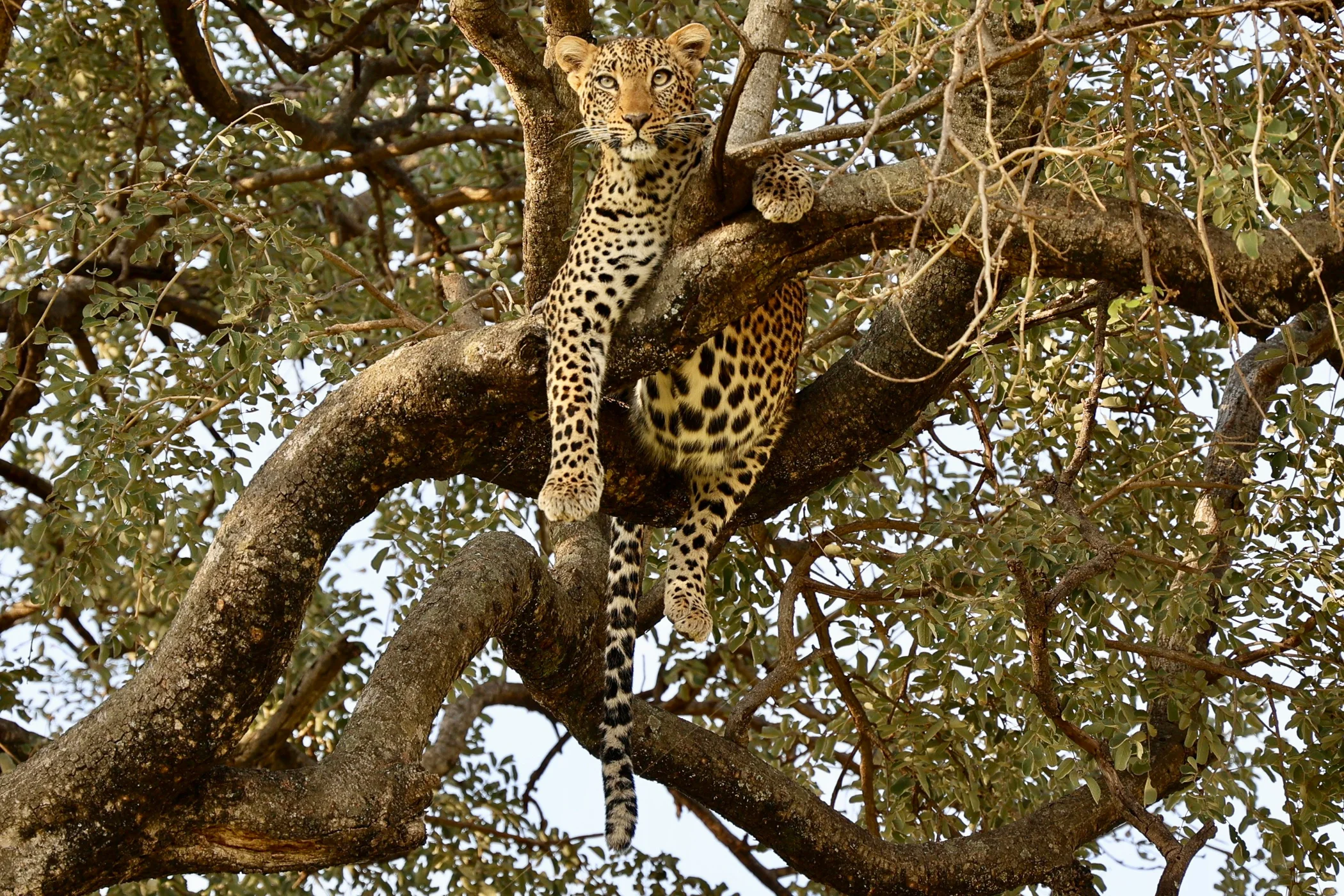
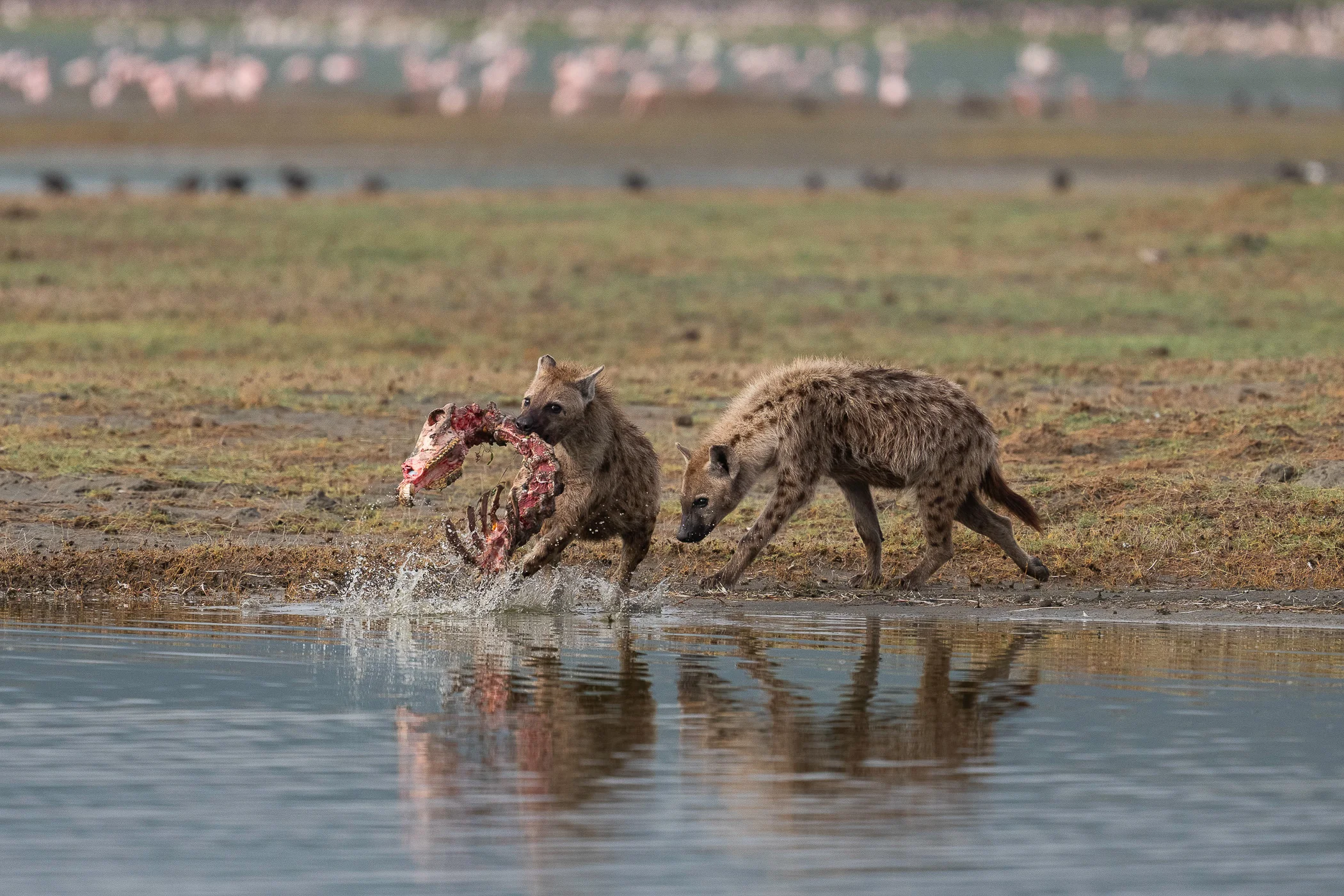
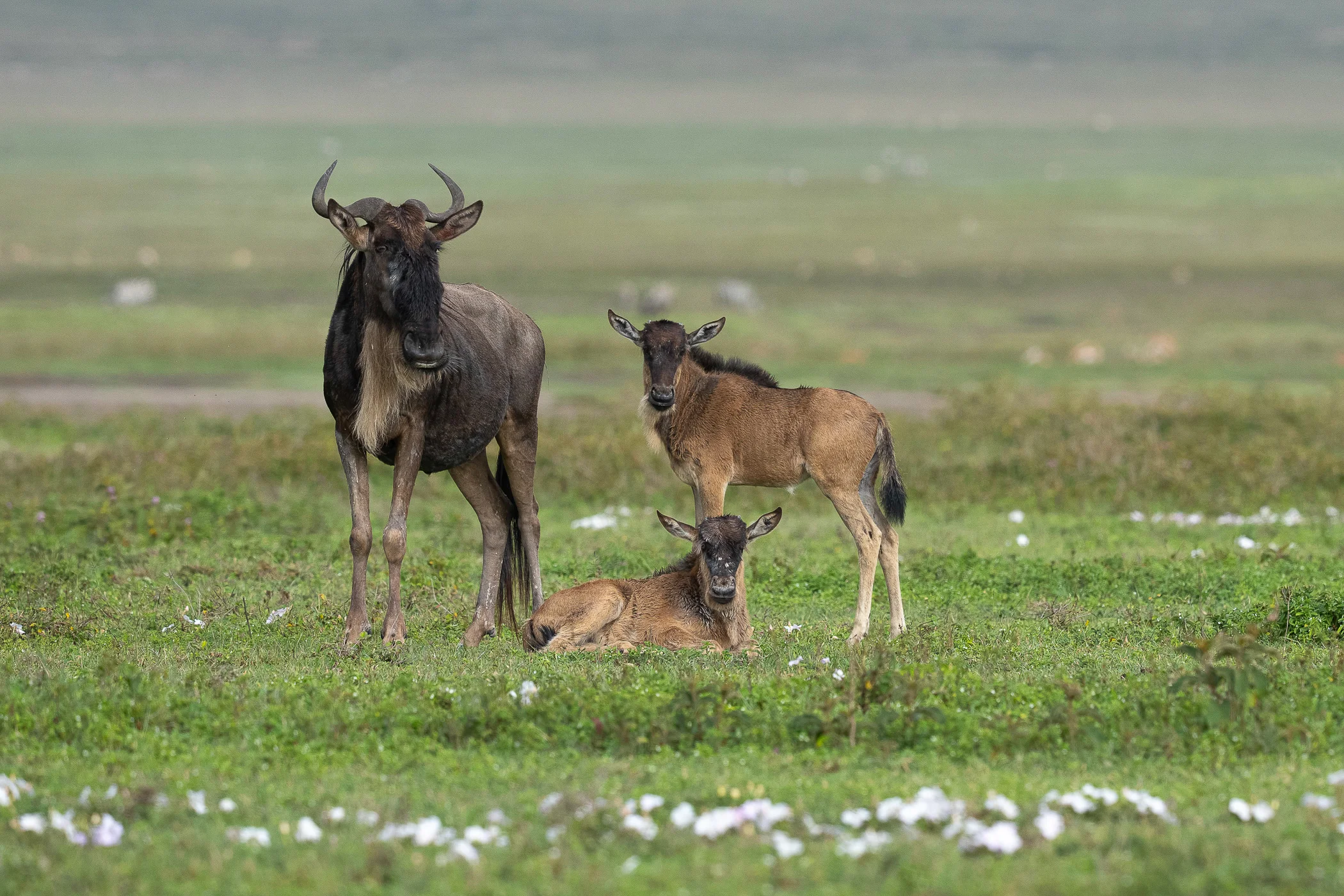
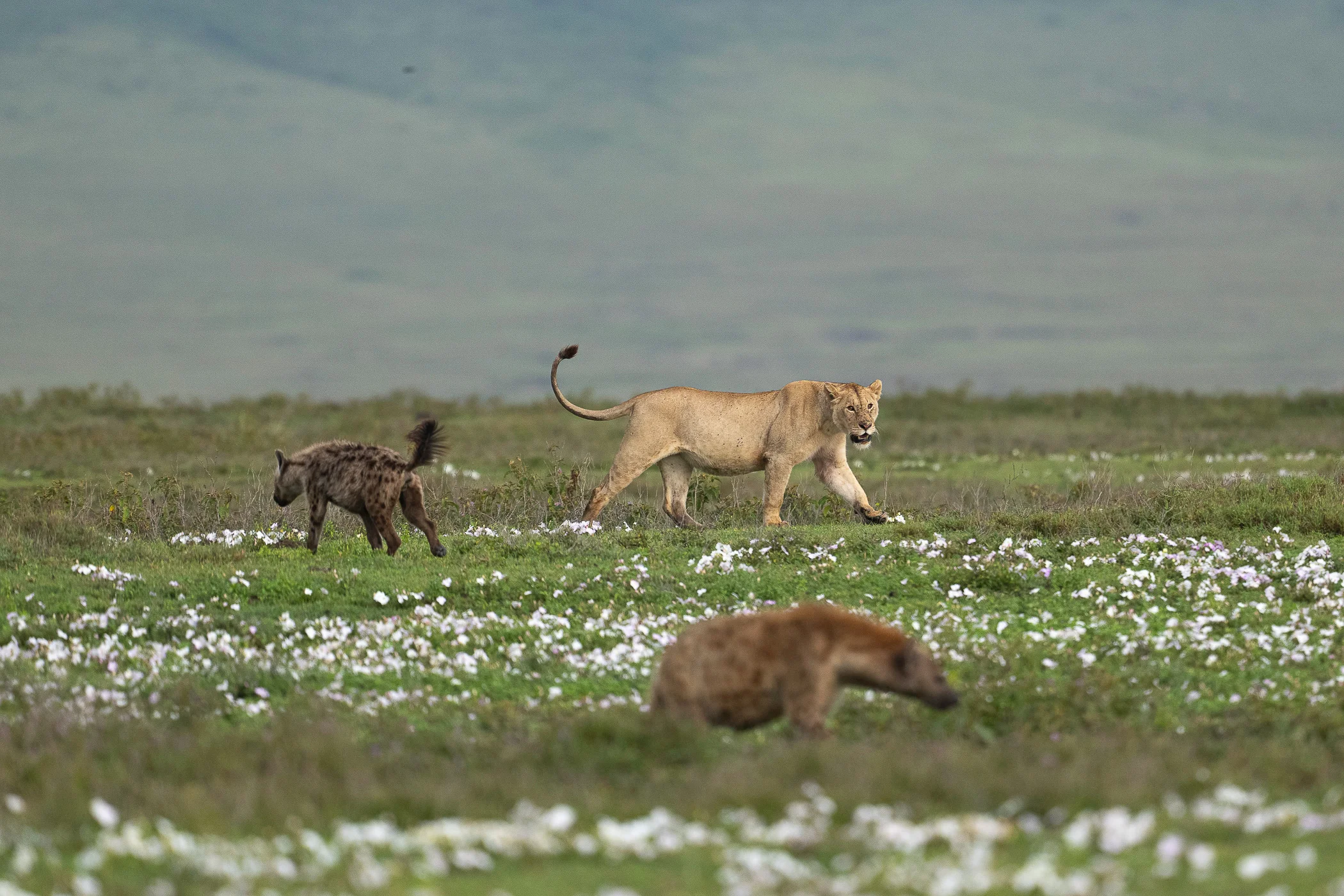
Tanzania’s iconic Serengeti National Park is home to one of the world’s last great terrestrial wildlife migrations: the Great Migration. Every year, nearly two million wildebeests, zebras, and antelopes traverse the Serengeti-Mara ecosystem under constant pressure from predators. Lions, leopards, cheetahs, and hyenas follow the herds. The river crossings, from June to August, are among the most intense scenes Africa has to offer a patient photographer or observer.
Even outside of the Great Migration, the Serengeti remains an exceptional safari destination all year round. I design my Tanzania itineraries around private and mobile camps that move with the herds, so that my clients don’t just watch the Great Migration from a fixed vantage point, but experience it firsthand. A tailor-made Tanzania safari, in one of Africa's most photogenic regions.
wildebeest
cheetah
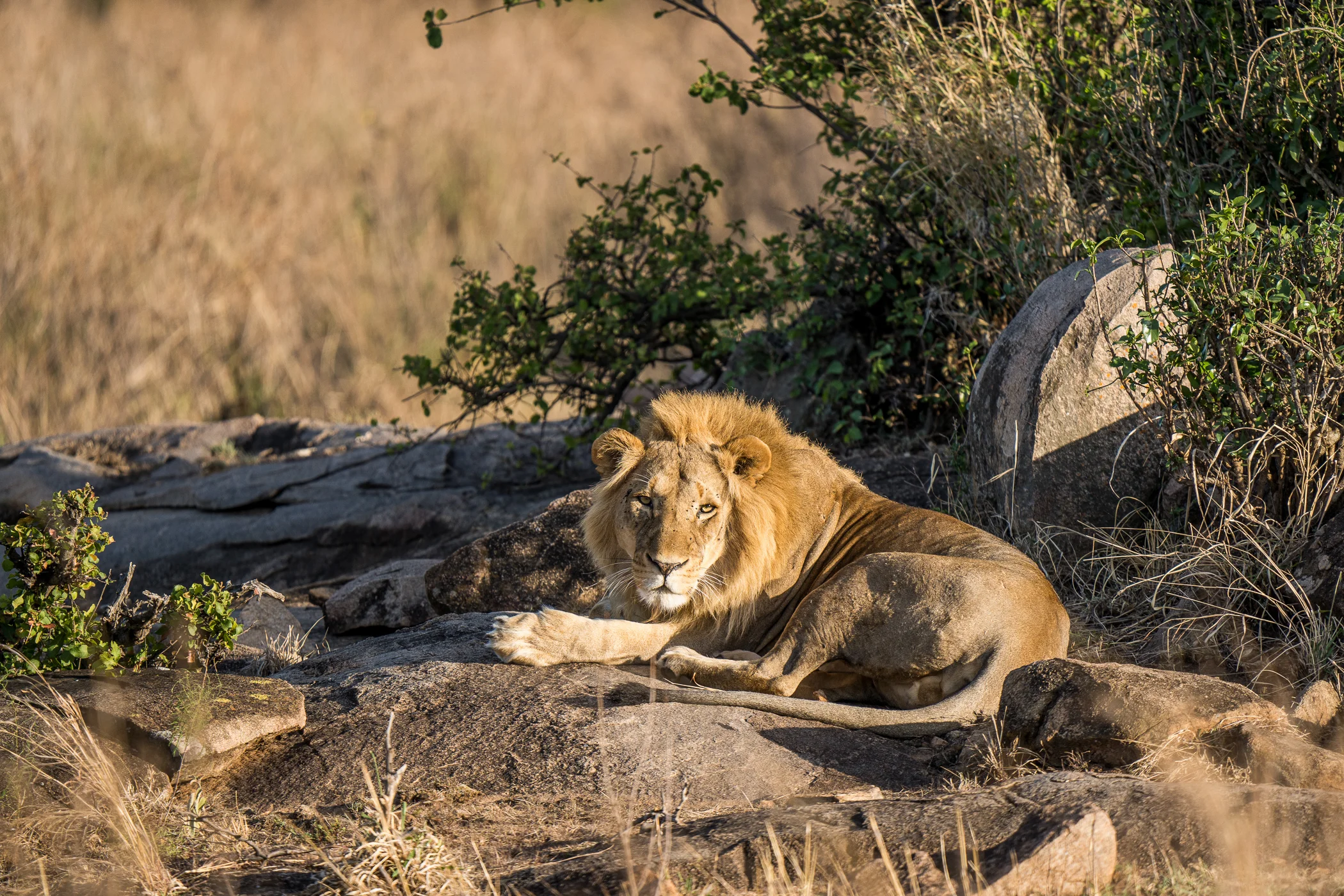
lion
Great Migration
tent camp
02
Tarangire is the park that travelers in a hurry tend to skip. And that’s exactly why you should make a detour there.
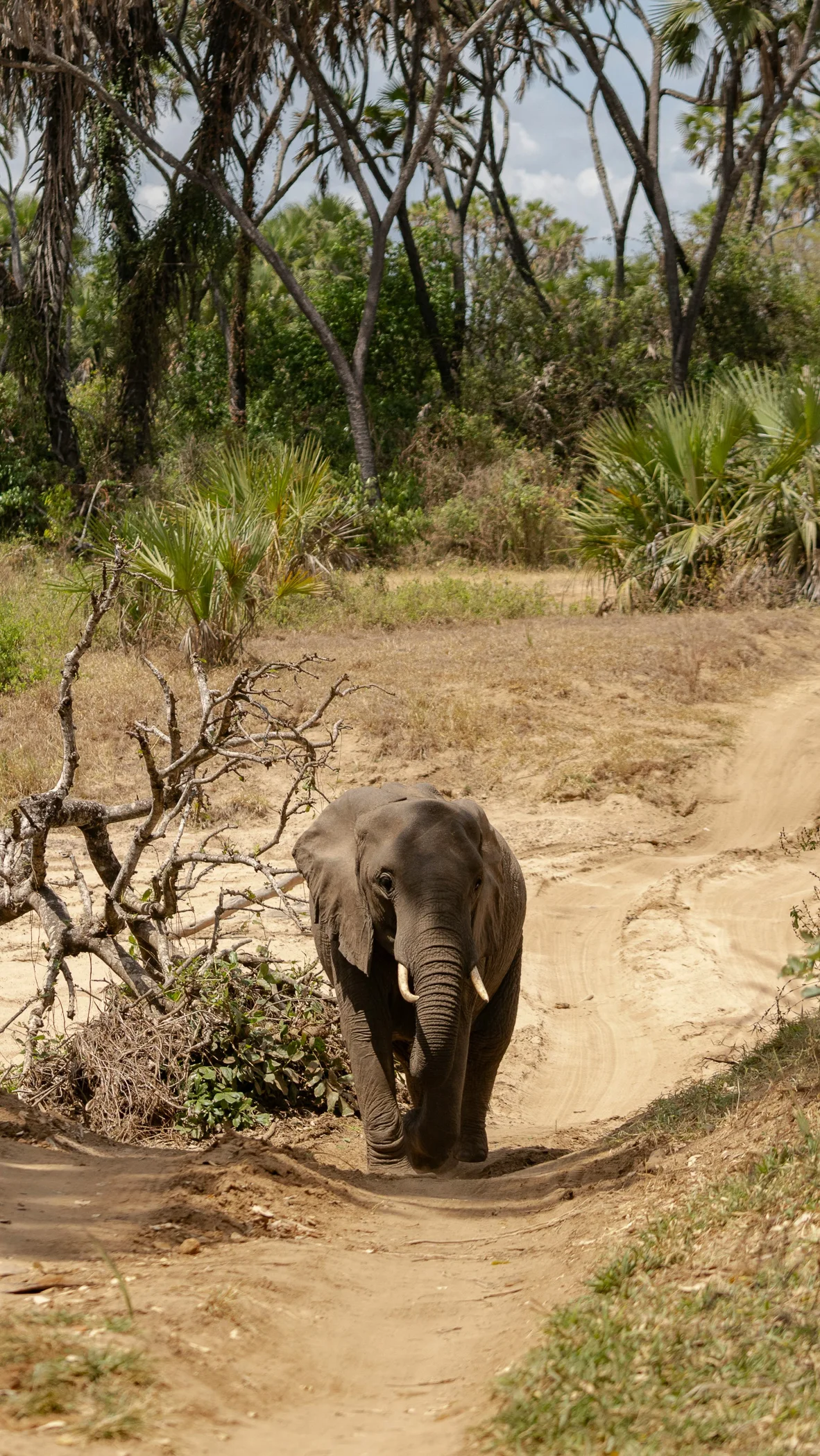
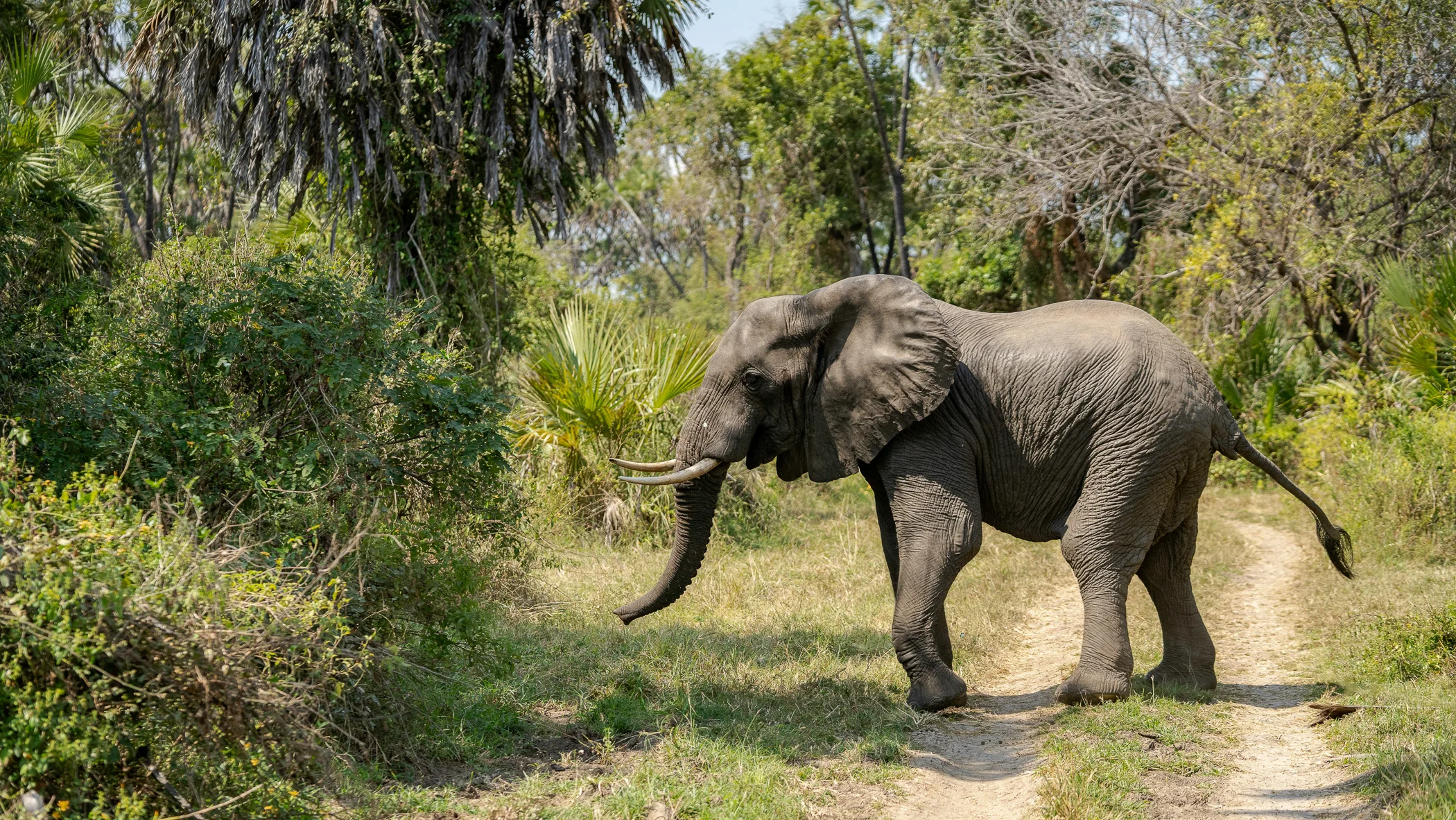
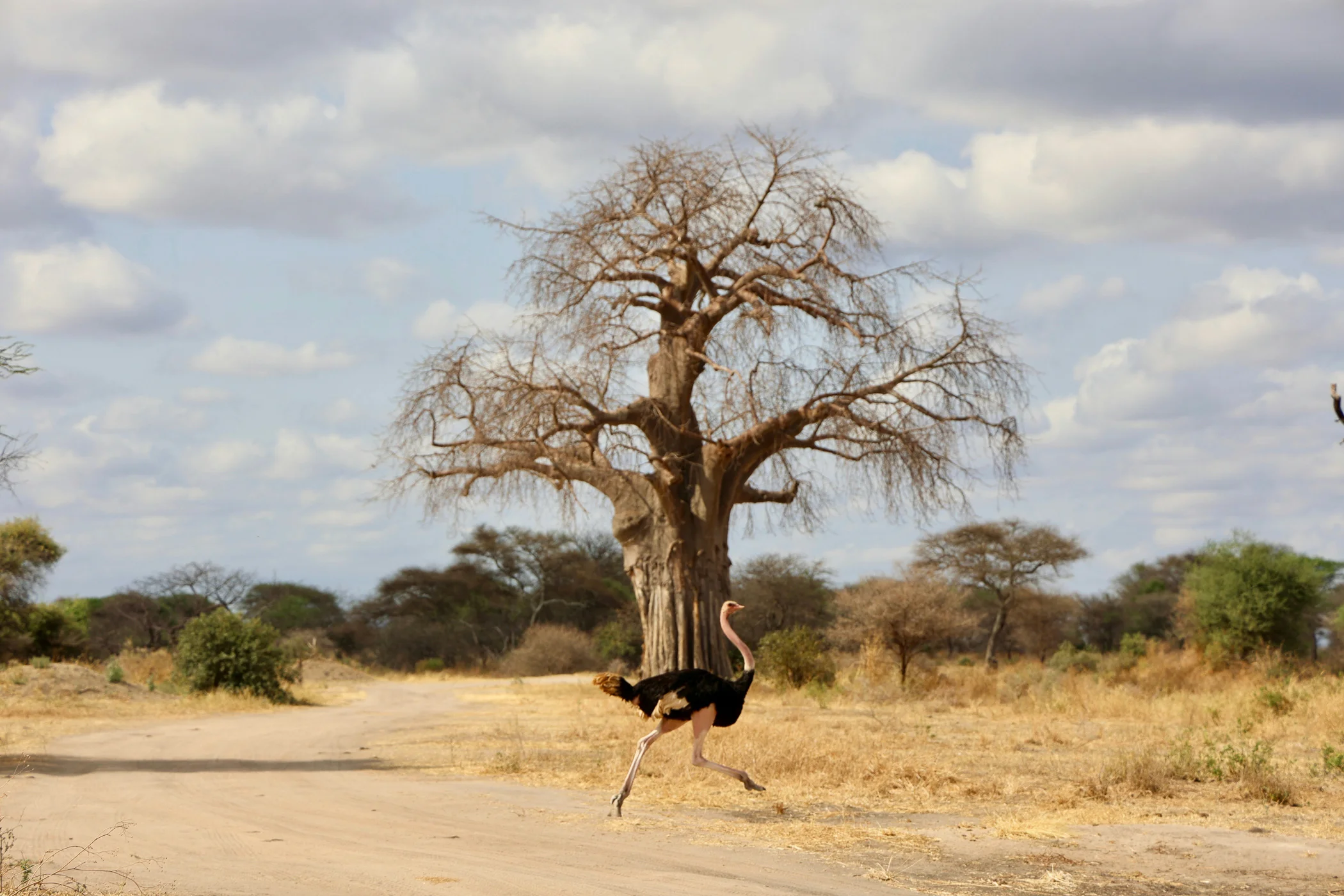
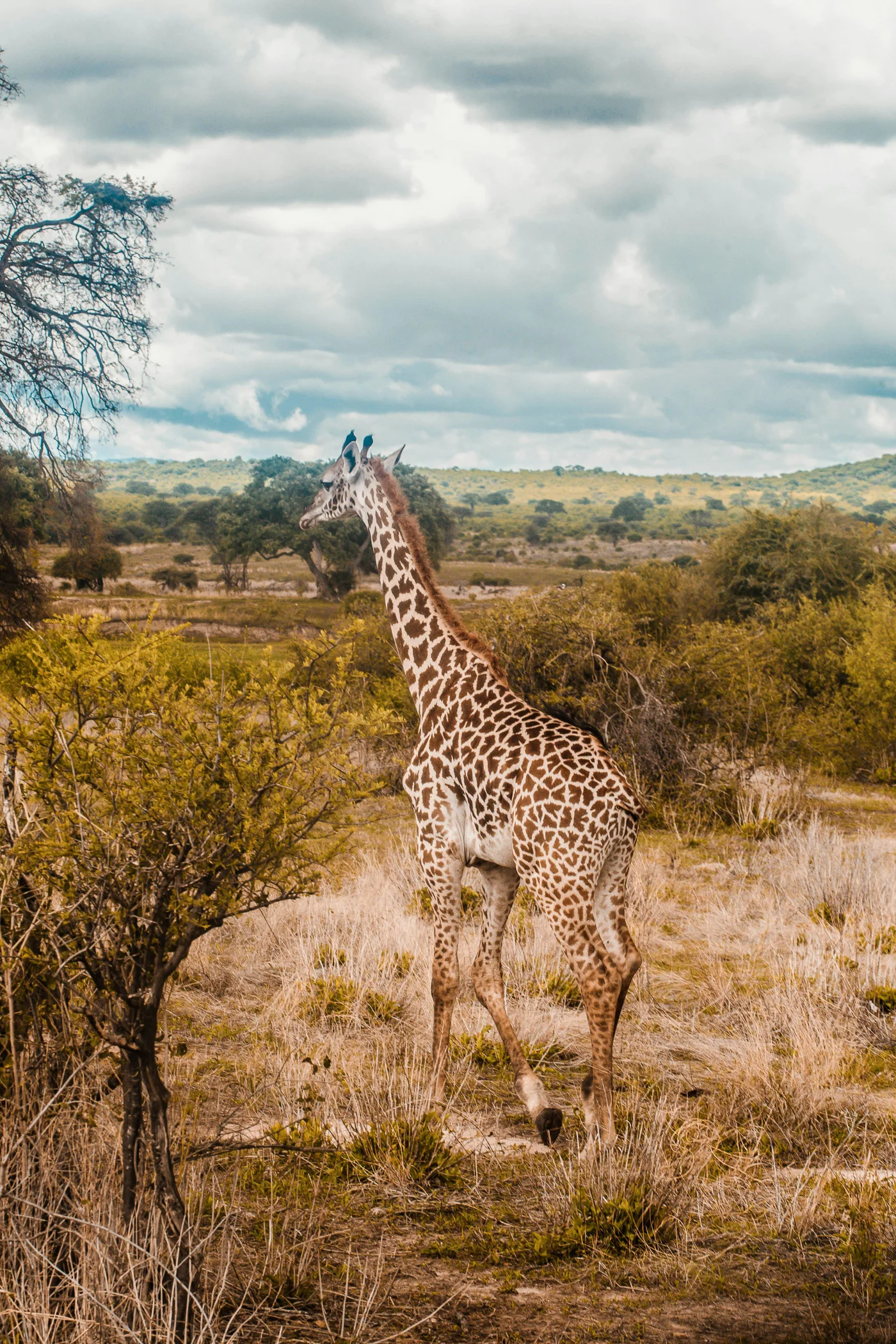
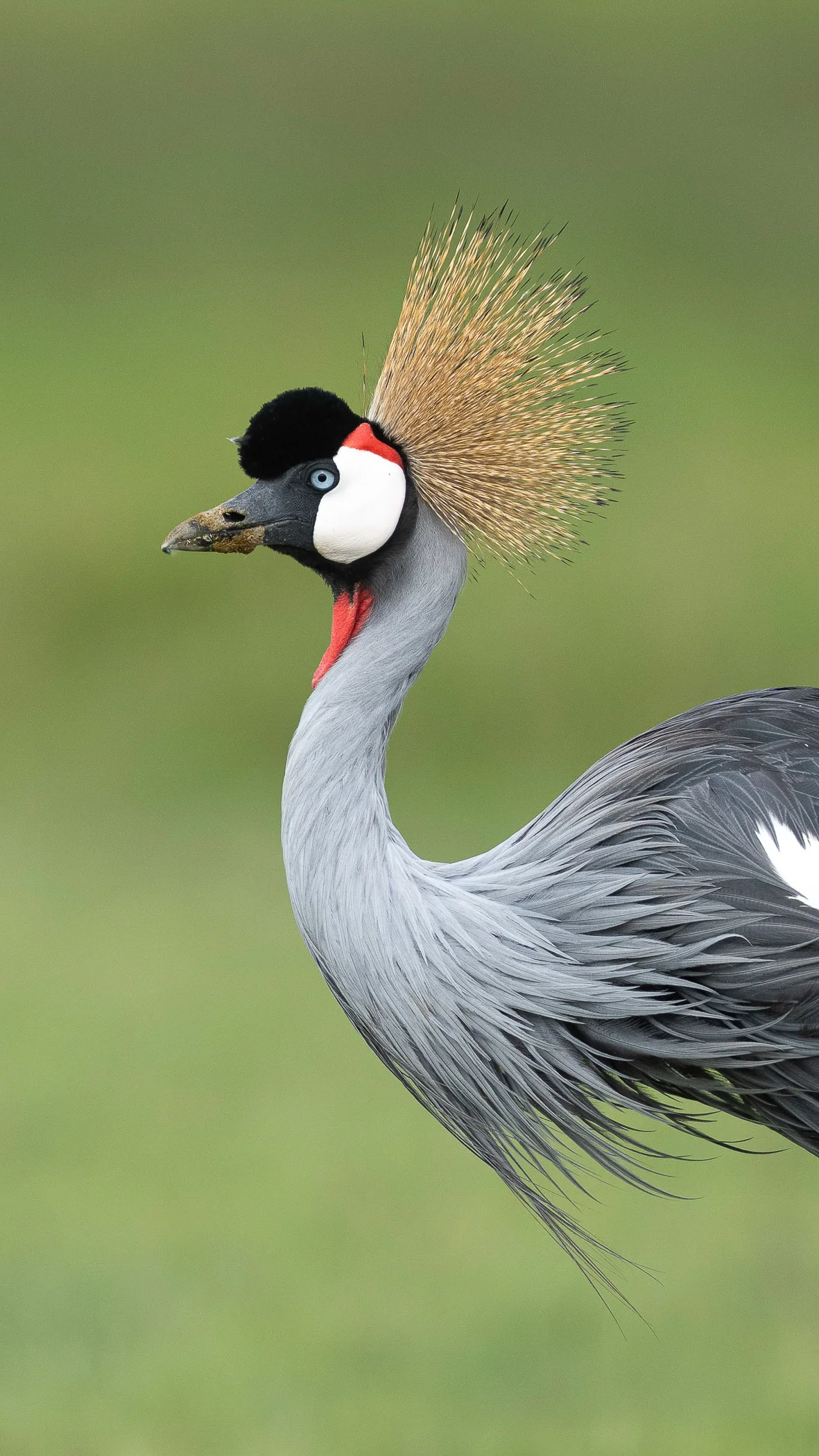
Tarangire National Park is the least visited park on Tanzania’s northern circuit, and one of the richest in wildlife during the dry season. From June to October, the Tarangire River attracts some of the largest concentrations of elephants in East Africa, accompanied by buffalo, giraffes, and a variety of antelopes not found in the Serengeti. The ancient baobab trees, tree-climbing lions, and more than 550 recorded bird species also make it a premier destination for wildlife photography.
Tarangire fits perfectly into a tour of northern Tanzania, either as a starting point or a finale to the Serengeti and Ngorongoro. I always recommend it to clients who want a Tanzania safari without the crowds, one that offers plenty of time and space, and wildlife that hasn't yet learned to ignore the vehicles.
elephant
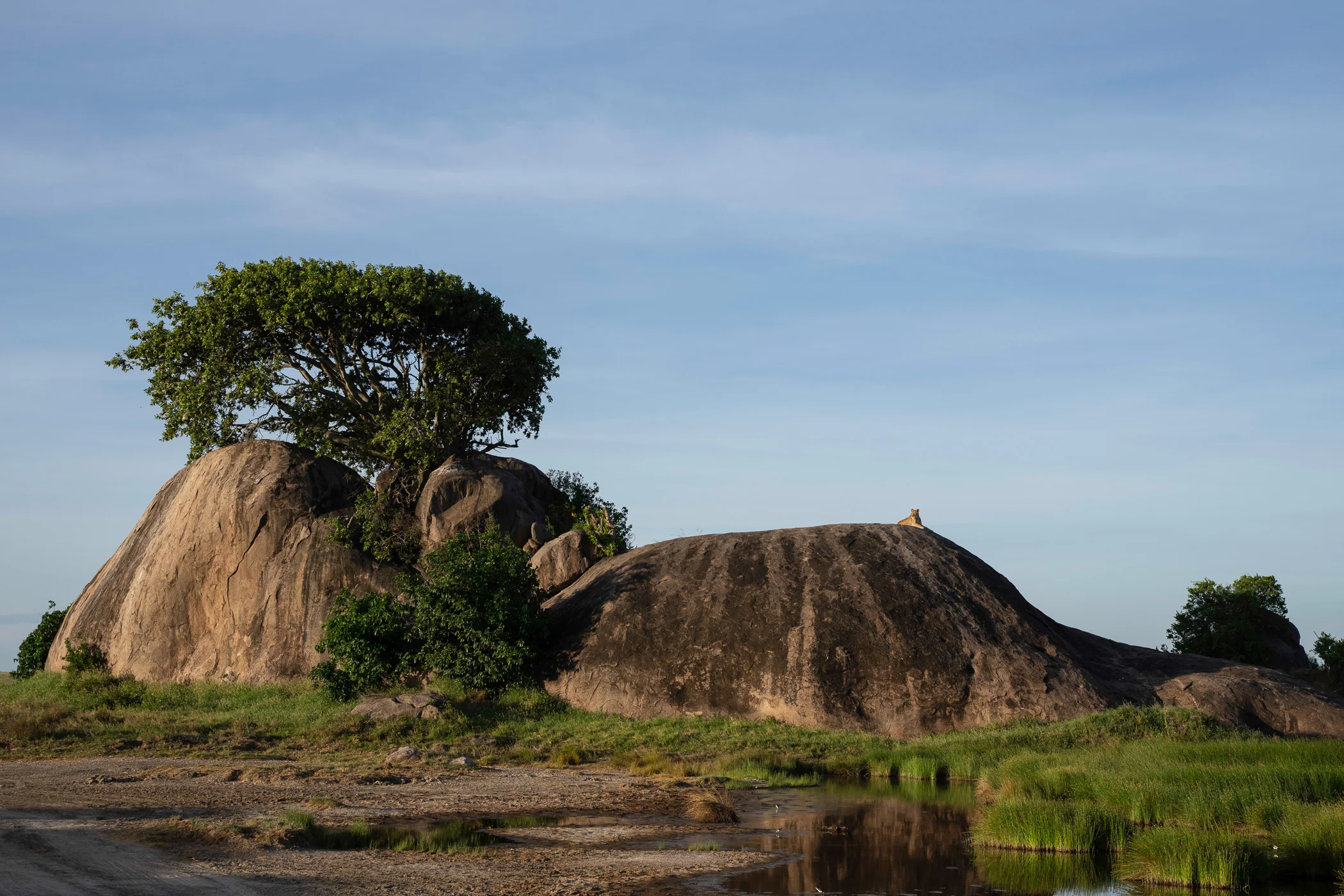
climbing lion
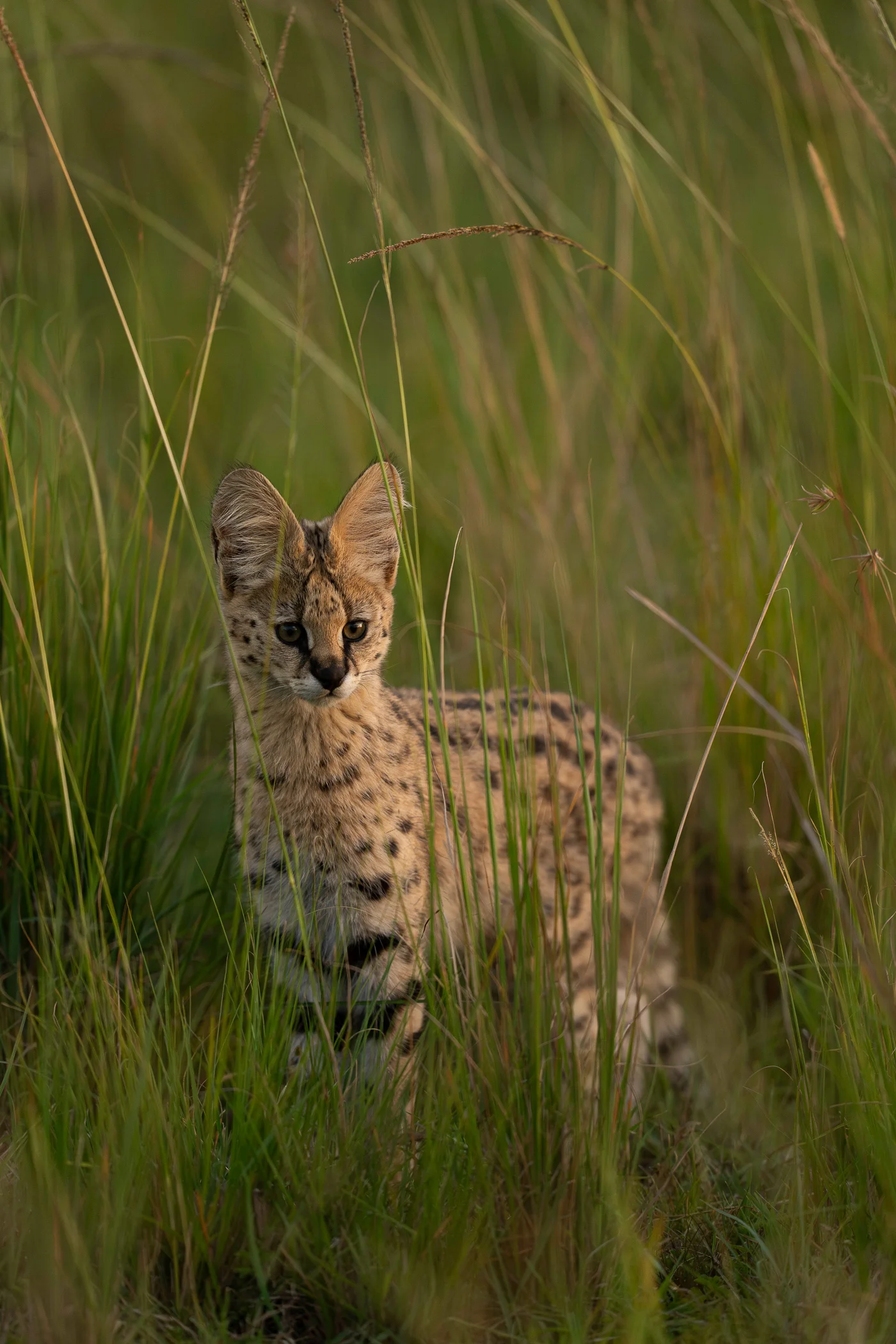
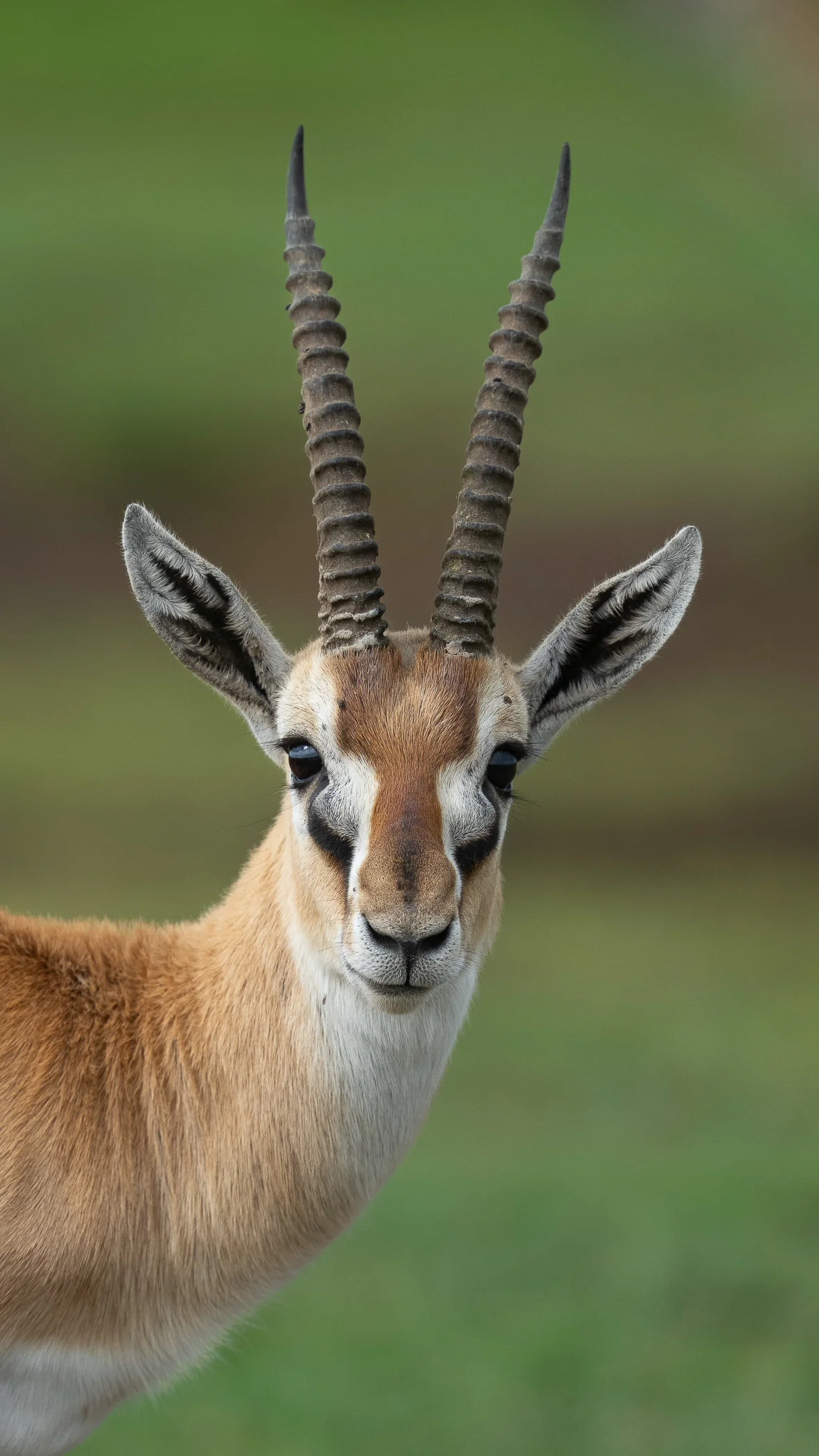
gerenuk
baobab
bird watching
03
The Ngorongoro is a unique geographical and wildlife wonder. A crater. A self-contained world. A concentration of wildlife unmatched anywhere else on this continent.
A UNESCO World Heritage Site, the Ngorongoro Crater is Africa’s largest intact caldera. Its 260 square kilometers are home to an exceptionally dense concentration of wildlife: lions, elephants, buffalo, leopards, hippos, and one of Tanzania’s last remaining wild black rhinos. It is the best destination for observing the Big Five in a single location, set against a savanna backdrop surrounded by volcanic walls over 600 meters high.
The Ngorongoro Crater fits naturally into the northern Tanzania circuit, between Tarangire and the Serengeti. I lead tours in this region for the experience it offers: the descent into the crater in the early morning, before the other vehicles arrive, in the cool, low-angled light of the early hours. That’s when the Ngorongoro Crater reveals the very reason we made the trip.
herbivores
black rhinoceros
lion
photo safari
Highlands trek
ARUSHA – TARANGIRE: 3-hour drive
TARANGIRE – NGORONGORO: 2.5-hour drive
NGORONGORO – SERENGETI: 5-hour drive
per person · based on a 8-day stay *
In a Lodge
The northern Tanzania tour is a point-to-point itinerary. Accommodations vary by region: luxury tents at permanent camps, lodges, or hotels in Arusha at the start and end of the trip. Each stop is chosen for its location and the quality of the experience it offers.
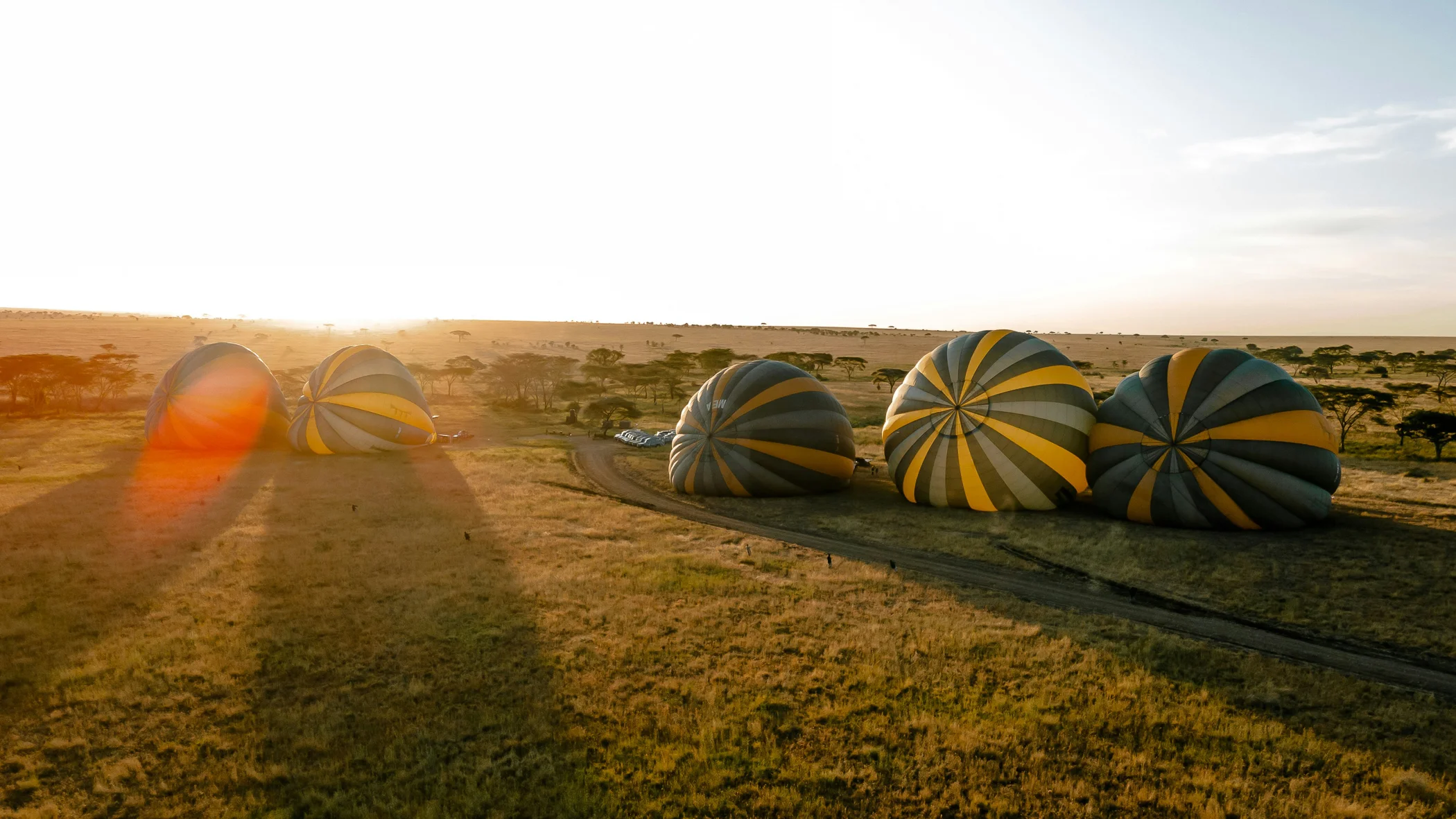
Option: Take a hot-air balloon ride over the parks.
* Vols internationaux non inclus. Chaque itinéraire est construit sur mesure selon vos besoins et la saisonnalité. L’accompagnement guide francophone est en complément du prix affiché.
In Tanzania, the dry season runs from June to October. This is when wildlife congregates, and the Serengeti, Ngorongoro, and Tarangire take on a different character. January and February hold their own secrets: it’s calving season in the southern Serengeti, and predators are never far away. November, often overlooked, offers a unique window: fewer people, yet wildlife is still abundant.
Serengeti · Migration & Large Predators
Ngorongoro · Abundant wildlife year-round
Tarangire · Elephants & Baobab Trees
* July and August are the busiest months on the northern route. I prefer to travel during these months outside of crowded areas or on alternative routes.
Meet, don’t just observe. These tours are led by local guides who have known the area and the families for a long time. A different way to experience Tanzania.
After the bush, the open sea. Stone Town, spices, the Indian Ocean. The atmosphere takes on a different feel.
A landscape found nowhere else. Red water, thousands of flamingos, and the Ol Doinyo Lengai volcano in the background. The hidden side of Tanzania, for those who want to go the extra mile.
My other destinations
This site uses cookies to analyze traffic and improve your experience. You can accept, refuse, or customize your preferences.
Partez l’année prochaine au Kenya pour une expérience hors des sentiers battus en petit groupe exclusif et privé !